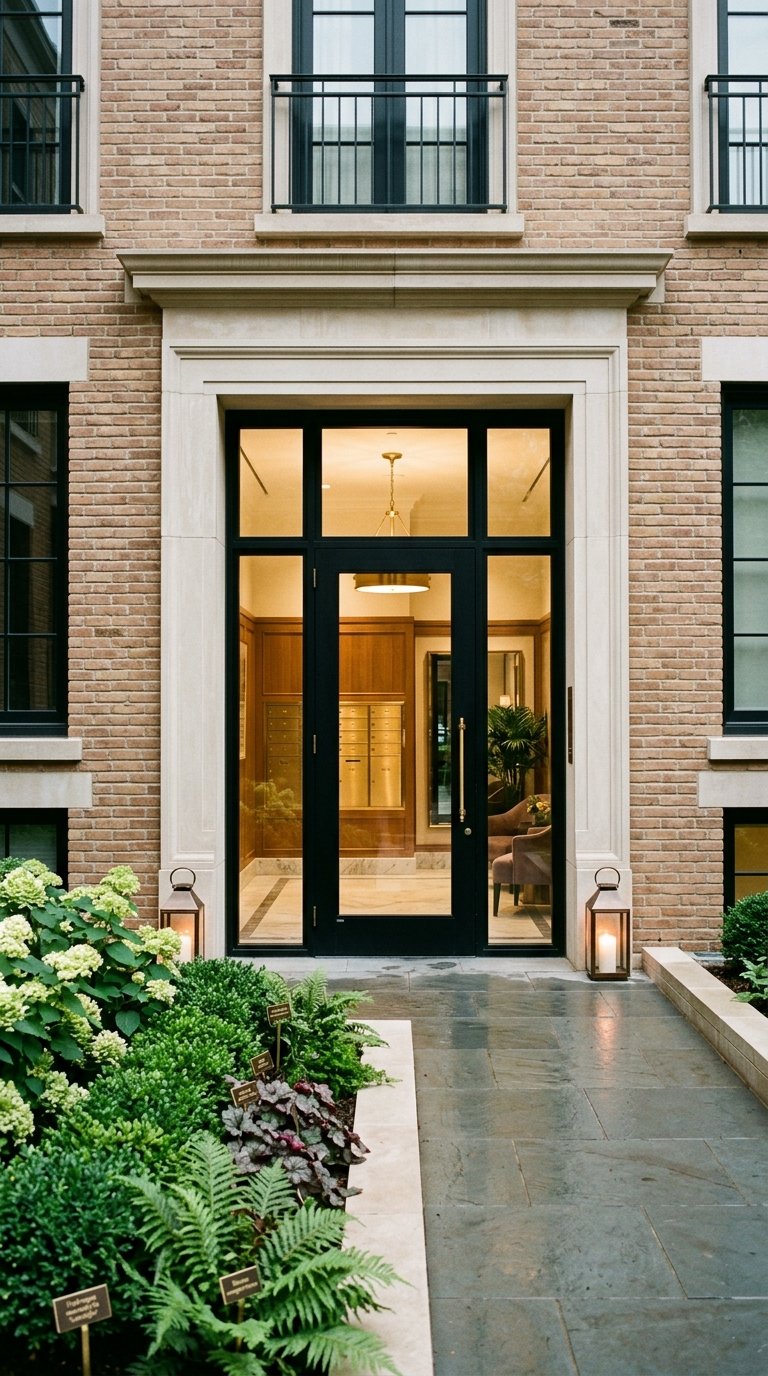
Your Guide To Buying A Condo In Logan Square
June 4, 2026
June 4, 2026
Wondering how to buy a condo in Logan Square without missing something important? You are not alone. Between vintage buildings, monthly assessments, lender rules, and fast-moving inventory, buying here can feel more layered than buying a condo in a newer, more uniform market. The good news is that with the right preparation, you can shop with clarity and make a smart decision that fits both your lifestyle and long-term plans. Let’s dive in.
Logan Square has a housing mix that looks different from many condo markets. According to CMAP’s April 2025 neighborhood profile, 43.7% of units are in 2- to 4-unit structures, and another 31.0% are in 5- to 49-unit buildings. That means your search may center more on smaller buildings, vintage walk-ups, and conversions than on high-rise towers.
The neighborhood also skews older. CMAP reports that 59.5% of housing units were built in 1939 or earlier, with a median year built of 1944. For you as a buyer, that makes building condition, maintenance history, and association planning especially important.
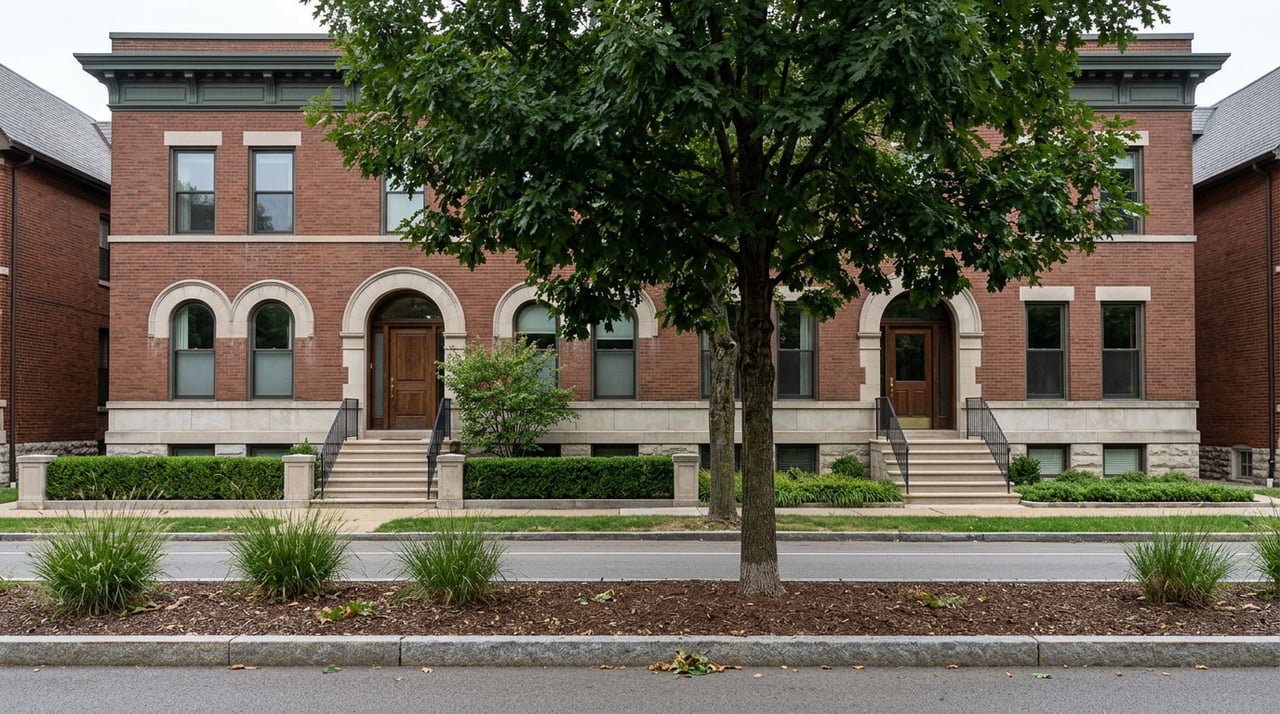
Parts of Logan Square also reflect historic residential architecture. The City of Chicago describes the Logan Square Boulevards District as a landmark district known for late-19th- and early-20th-century residential architecture. In practical terms, many buyers here care about original masonry, exterior upkeep, and how well an older building has been maintained over time.
As a broad market benchmark, CMAP reported a 2022 median residential sales price of $560,000 for Logan Square overall. That figure is not condo-specific, but it can help you frame the neighborhood’s overall price context as you start your search.
When you buy a condo in Logan Square, you are not only buying the unit itself. You are also buying into a shared building, shared expenses, and a shared decision-making structure. That is why two condos with similar square footage and finishes can carry very different risk profiles.
A beautifully updated unit may still come with a building that needs major exterior work, has limited reserves, or has a history of special assessments. In a neighborhood with older multifamily housing, that distinction matters.
Before you get too attached to a kitchen renovation or a sunny living room, step back and ask basic building questions:
Those answers can shape your monthly costs, financing options, and future resale appeal just as much as the unit’s interior condition.
One of the biggest mistakes buyers make is judging a condo by whether the monthly assessment seems high or low. On its own, that number does not tell you enough.
Under Illinois law, condo boards must prepare and distribute a detailed annual budget and provide reasonable reserves for capital expenditures and deferred maintenance. In setting reserves, boards are required to weigh repair and replacement costs, useful life, reserve studies if available, the effect of assessment increases on owners and market value, and the association’s ability to obtain financing or refinancing.
For you, the more useful question is this: what does the monthly assessment cover? It may include operating expenses, maintenance, management, recreational facilities if any, and reserve funding. A lower monthly assessment can look attractive at first, but it may not be a bargain if the building is underfunded.
Illinois law also allows special assessments outside the regular budget, including for emergencies or legal requirements. So when you evaluate affordability, look beyond the current monthly number and consider the full carrying-cost picture.
In Logan Square, this step deserves extra attention because many buildings are older and smaller. Roofs, masonry, porches, plumbing, and common-area systems do not last forever, and in smaller associations the cost of repairs can be spread across fewer owners.
Illinois law requires important association disclosures during resale. The seller must make available a disclosure package that includes the declaration and bylaws, information about liens and assessment accounts, anticipated capital expenditures, reserve-fund status, financial statements, pending suits or judgments, insurance coverage, and a statement about unit alterations.
This is where you can spot red flags or, just as important, signs of a well-run building. You want to understand whether reserves are being built responsibly, whether capital projects are being planned ahead of time, and whether the building has a pattern of reacting late to repairs.
If reserves have been waived, Illinois law requires that waiver to be disclosed in bold in the association’s response to a prospective purchaser. That is an especially important detail to review carefully.
Many buyers assume mortgage approval is mainly about income, assets, and credit score. For condos, the building itself can also affect whether your loan works.
Condo project review standards used by lenders can involve association budgets, reserve studies, insurance, litigation, special assessments, and other building documents. That means a unit can seem like a fit on paper, but the transaction can slow down or become more complicated if the project does not align with your intended loan type.
This is why early lender confirmation matters. Before you tighten contingencies or build your timeline around a quick close, it helps to know whether your lender can finance that specific building.
Illinois law also states that a condo association may not exercise a right of refusal or disapprove a sale solely because the purchaser’s financing is FHA-guaranteed. That protection matters, but you still want to confirm your lender’s project requirements early in the process.
Association document review is always important in condo purchases, but it can carry extra weight in Logan Square because of the neighborhood’s housing age and building mix. Smaller buildings and older structures often require closer attention to maintenance patterns and financial planning.
For example, a three-unit vintage building may have charm and lower monthly expenses, but it may also have less financial cushion than a larger association. That does not make it a bad purchase. It simply means your review should be thorough.
A smart document review can help you answer questions like:
The goal is not to find a perfect building. It is to understand what you are buying before you commit.
Transit is part of Logan Square’s appeal, and for many buyers it is a meaningful value driver. CTA states that the Blue Line provides 24-hour rapid transit service between O’Hare and Forest Park via downtown Chicago, and the Logan Square station is located at 2620 N. Milwaukee Ave. with accessibility and bus connections.
If easy commuting or airport access matters to you, proximity to the Blue Line may become a major part of your search criteria. It can also shape how future buyers see the property when it is time to resell.
Research on transit access suggests that being near rail stations can support residential values, though the size of the benefit varies. In Logan Square, the practical takeaway is simple: an easy walk to the Blue Line can strengthen resale appeal, but value still depends on the exact block, the condition of the building, and the health of the association.
When you tour condos in Logan Square, it helps to compare them through a neighborhood-specific lens. The best choice is not always the one with the newest finishes or the lowest monthly payment.
Instead, focus on the full picture:
That framework can help you avoid overpaying for cosmetic updates while overlooking deeper building issues.
In Logan Square, a strong condo offer is usually about more than price alone. Preparation can make a real difference.
A lender pre-approval is a must, but it also helps to understand early whether the building could create financing friction. If association documents are available, reviewing them as soon as possible can help you make a cleaner, more informed decision.
Because the neighborhood includes many older and smaller condo buildings, being organized on the front end can save you time and stress later. It can also help you move with more confidence when the right unit comes along.
The right Logan Square condo should work for you now and still make sense later. That means looking beyond the listing photos and thinking about building stewardship, ongoing costs, transit access, and future marketability.
In a neighborhood known for vintage character and smaller multifamily buildings, thoughtful due diligence is not a side task. It is part of buying well. When you understand the building as carefully as you understand the unit, you put yourself in a much stronger position.
If you are thinking about buying in Logan Square, working with a team that understands Chicago’s condo landscape can help you evaluate not just what looks good today, but what holds up over time. For tailored guidance on Logan Square condos and other Chicago neighborhoods, connect with Lowe Group Chicago.


The Lowe Group is a team of #1 Chicago real estate agents with strong broker and community ties. With our deep local knowledge and connections, we ensure that your home is priced right and receives maximum exposure. As seasoned negotiators and marketing experts, we are dedicated to providing a seamless and stress-free experience.
Stay up to date on the latest real estate trends.
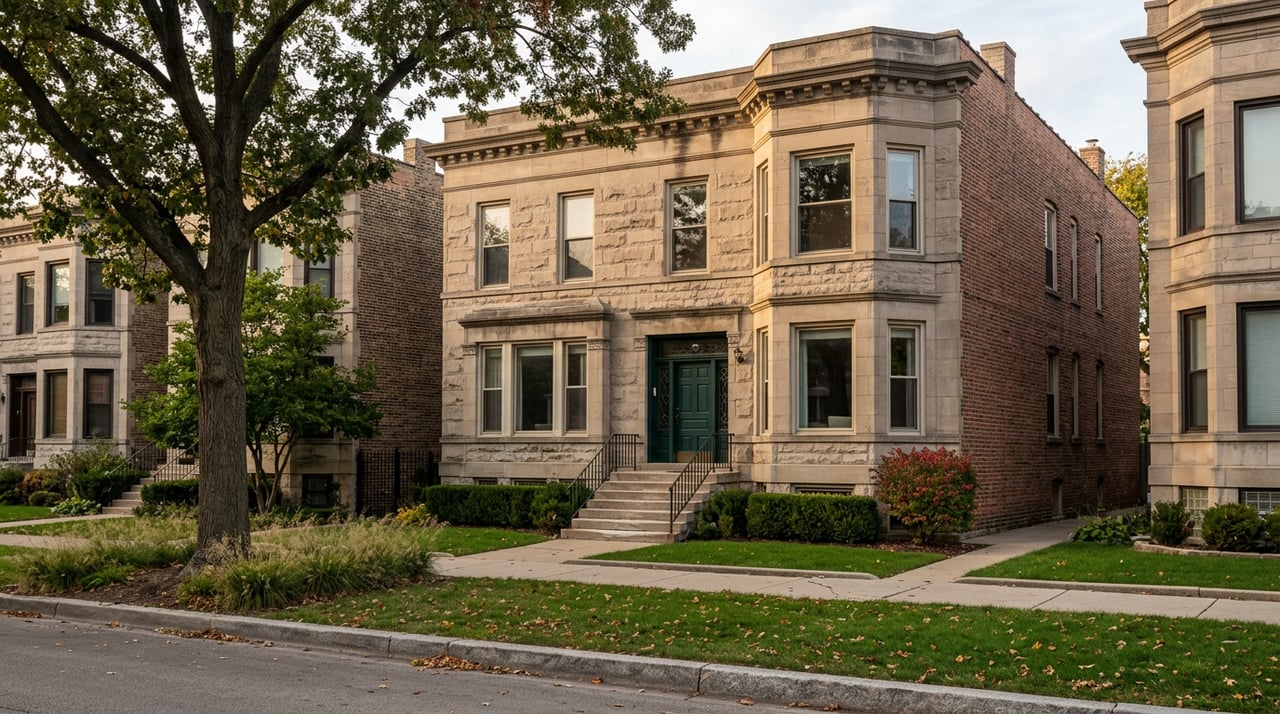


Vast Green Space, the Free Zoo, and Culture in Lincoln Park.
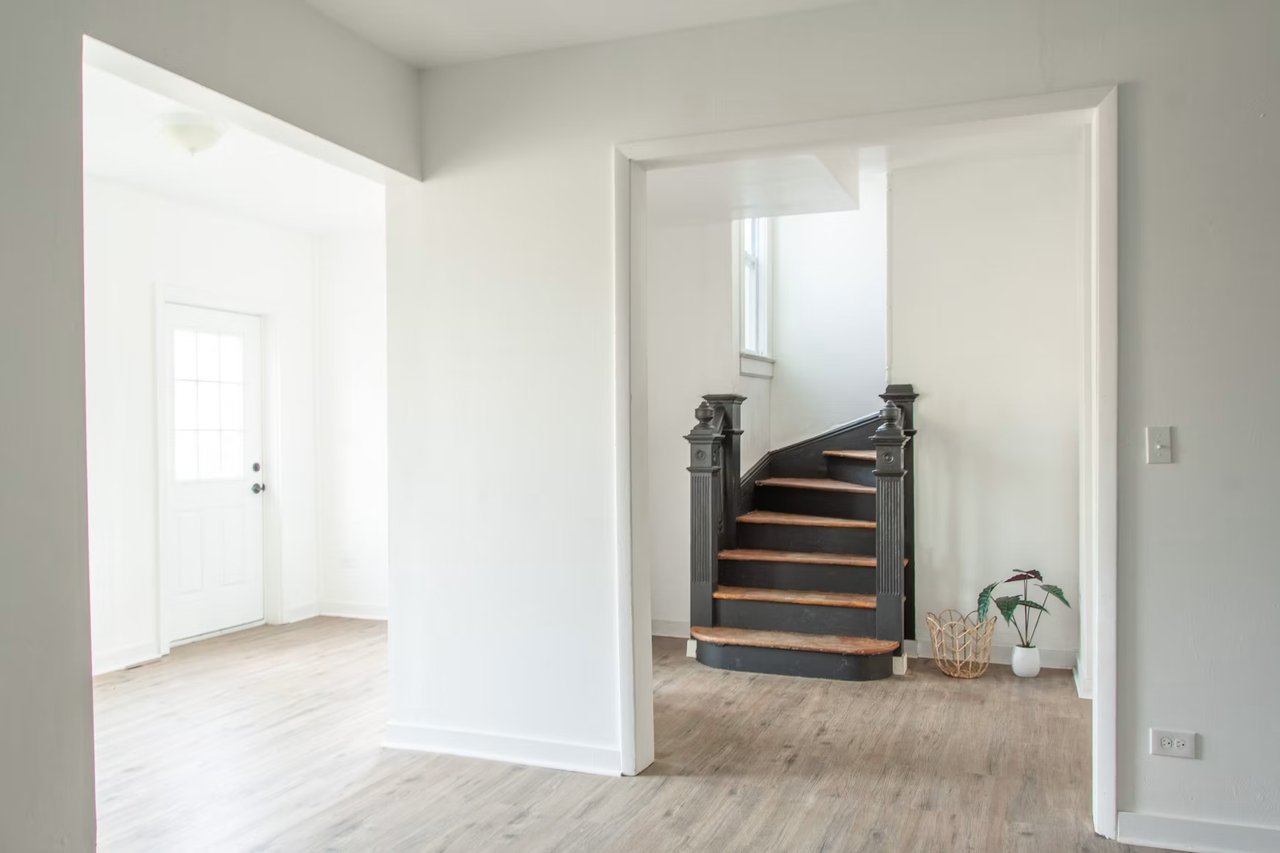
Greystones, Gaslit Streets, and the Search for Historic Homes.
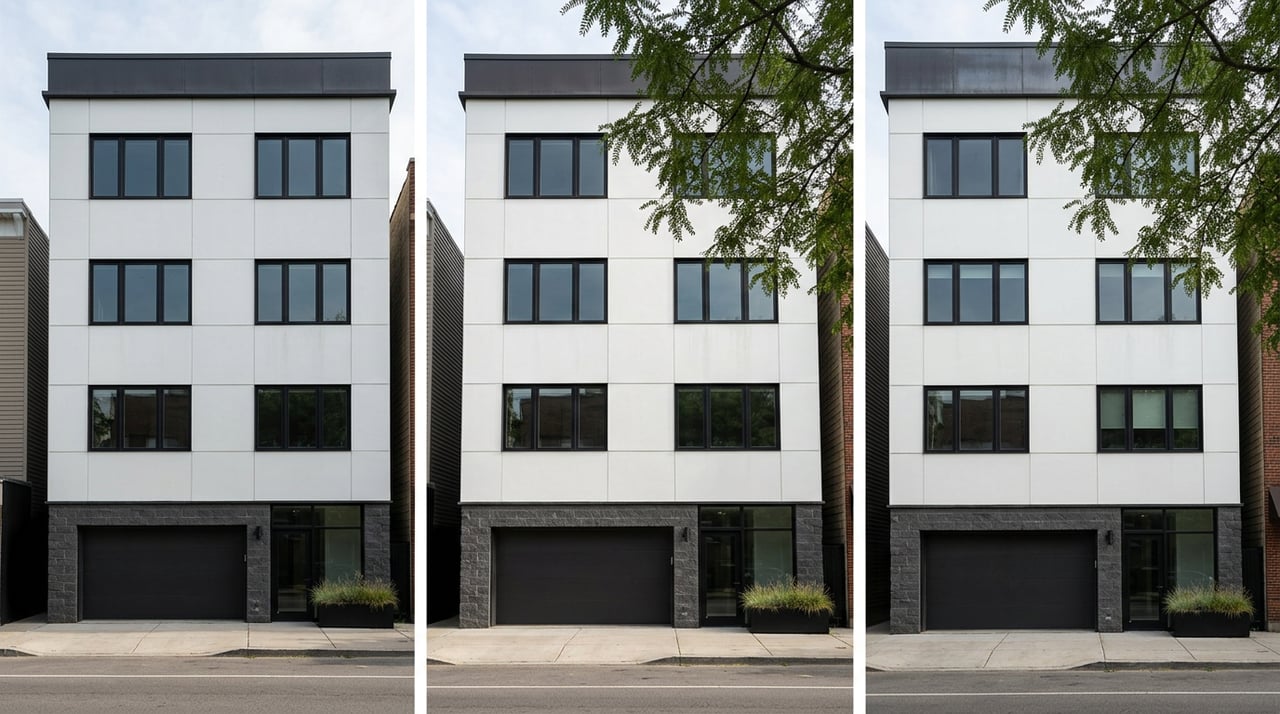

Outdoor Spaces, Cafe Retreats, and More in Lincoln Park.

A First-Timer's Roadmap to Buying a Home for the First Time in Lincoln Park.
We are not just here to help sell or buy your home; we are here to be a valuable resource for all your home needs and questions. Passionate about real estate, we find joy in the industry's dynamic nature and the opportunity it presents to connect people with their dream homes. Our success is built on our local expertise and market knowledge.