What It Is Like To Live In Chicago's Gold Coast
June 11, 2026
June 11, 2026
Wondering whether Chicago’s Gold Coast is all polish and prestige, or if it actually works for everyday life? If you are considering a move here, you probably want more than a postcard image. You want to know how the neighborhood feels, how people get around, what the housing looks like, and what daily routines are really like. Let’s dive in.
Chicago’s Gold Coast is typically considered part of the Near North Side, though its exact boundaries are not fixed. Local references often place it around North Avenue, Lake Shore Drive, Bellevue Place, Rush or State, Division, and Clark, but the edges can shift depending on who is describing it.
That flexibility matters because the neighborhood is better understood by feel than by a strict border. Gold Coast is known for its lakefront setting, its close connection to downtown, and its long-standing reputation as one of Chicago’s most affluent areas.
Living in the Gold Coast means being in a part of Chicago where residential streets and high-energy city life sit close together. One block may feel quiet, lined with mature trees and historic buildings, while the next puts you near restaurants, boutiques, and busy sidewalks.
That contrast is part of the appeal. You get a neighborhood that feels established and polished, but you are still in the middle of a highly walkable urban setting with access to dining, culture, and the lakefront.
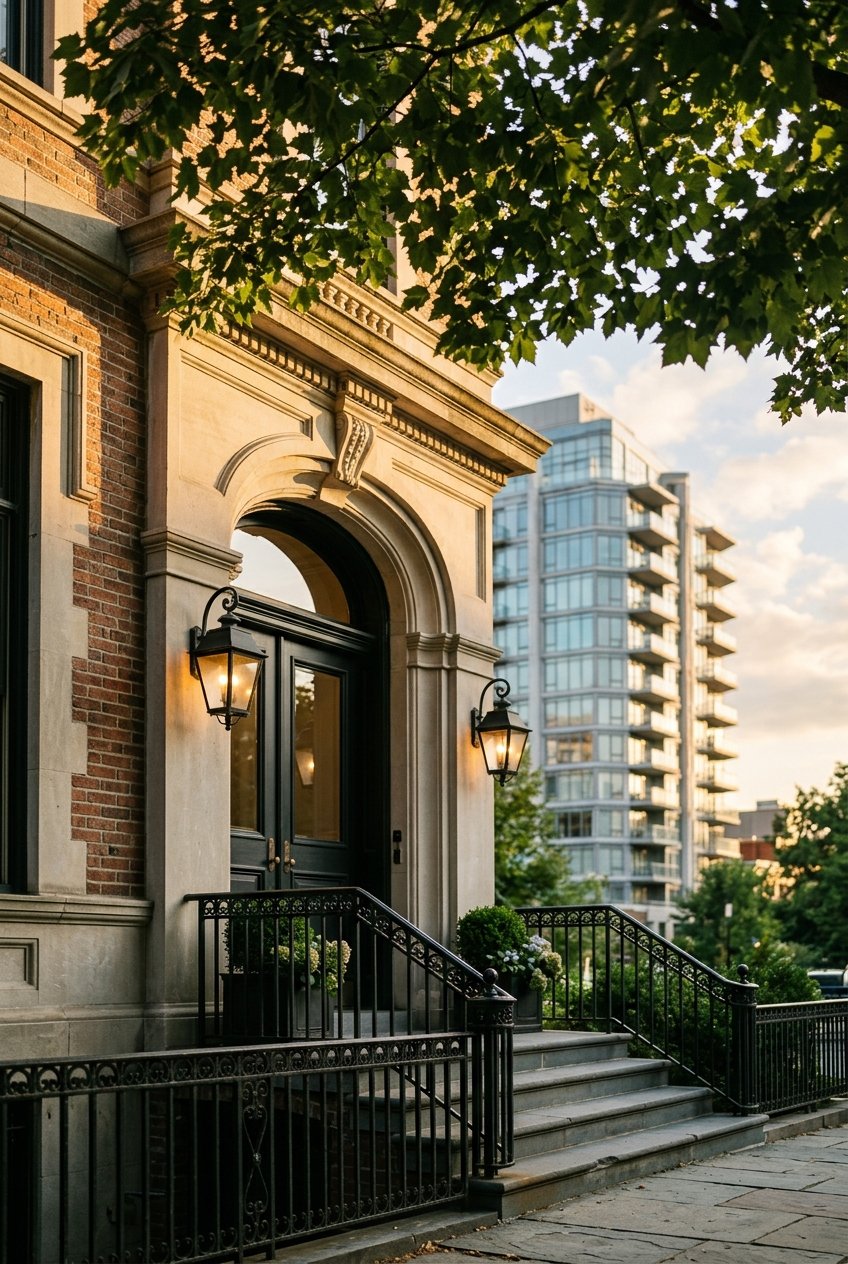
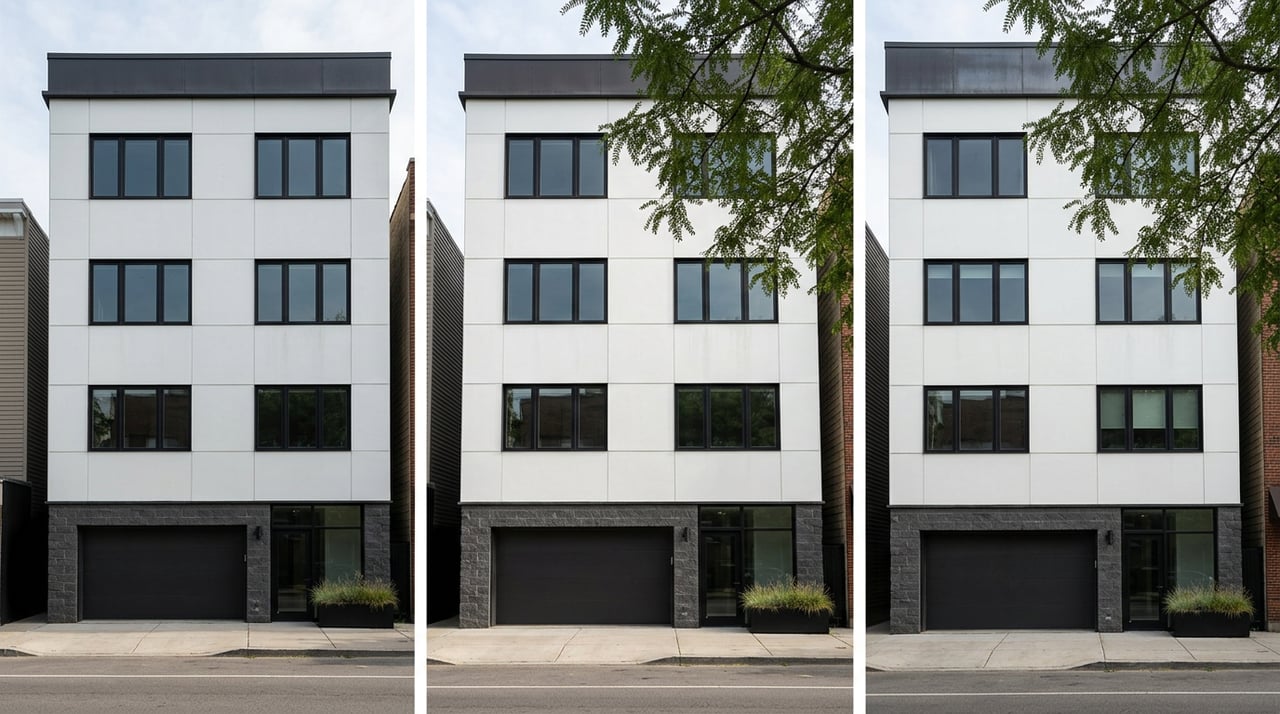
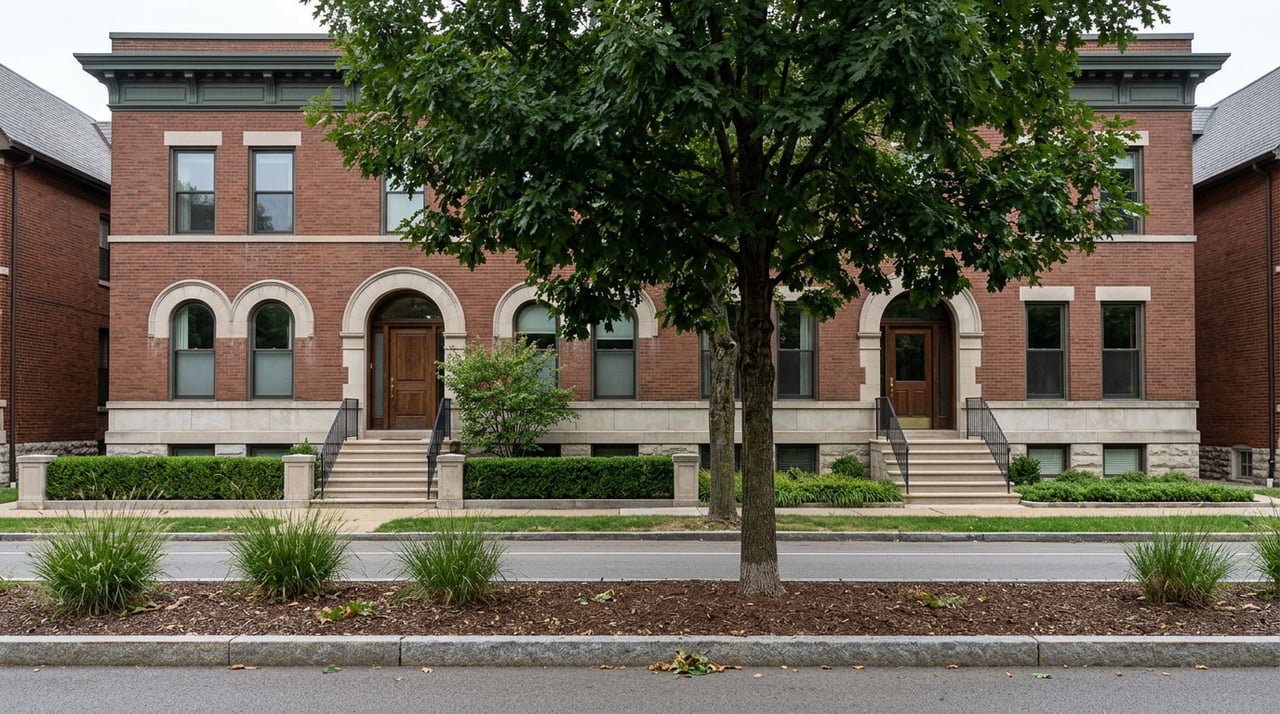
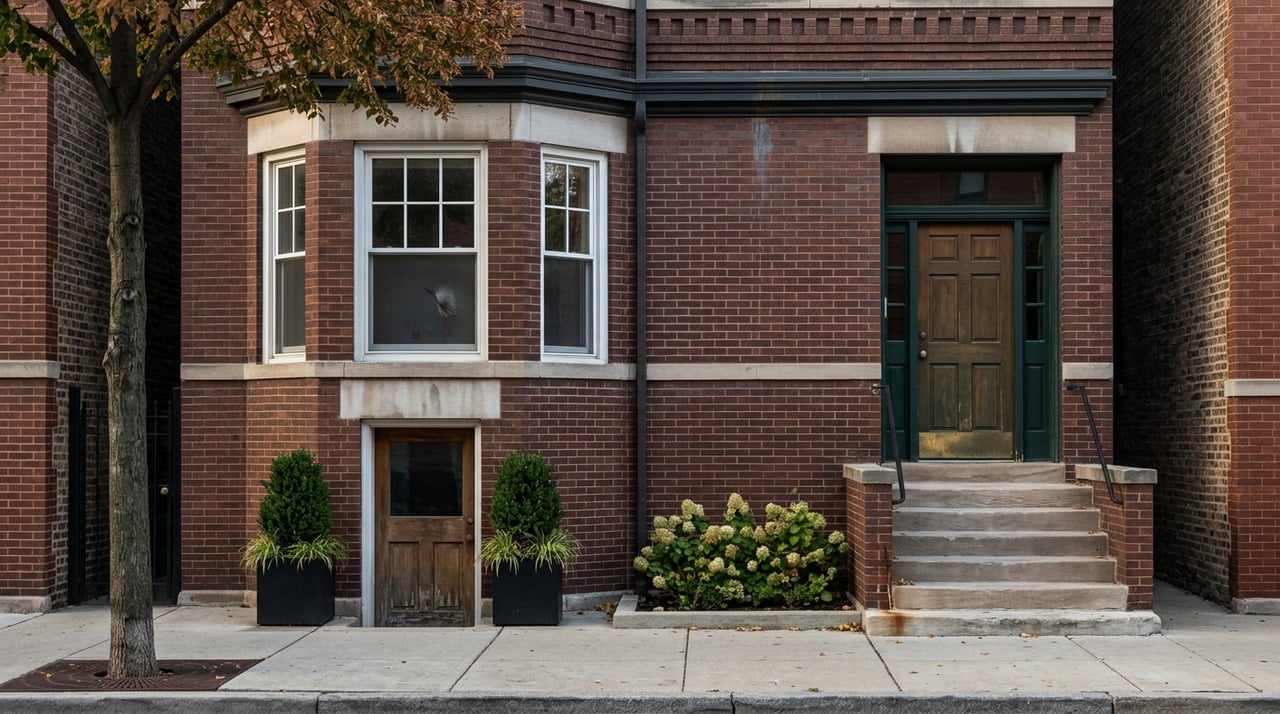
One of the first things you notice in the Gold Coast is that it does not look uniform. Instead of one dominant housing type, you will see a mix of historic homes, vintage apartment buildings, townhouses, and luxury high-rises.
The Astor Street District helps define that character. It includes 19th-century homes in several revival styles, mixed with 20th-century apartment buildings and townhouses, which gives the area a layered, lived-in architectural identity.
That mix continues across the neighborhood. Landmarks like the Charnley-Persky House sit not far from modern residential buildings such as Astor Tower, showing how the Gold Coast blends preservation with newer urban living.
For you as a buyer or renter, that means the neighborhood can offer very different living experiences within a small area. You may find a classic vintage co-op feel on one street and a full-service high-rise lifestyle just a short walk away.
The lakefront is a major part of living in the Gold Coast. The Lakefront Trail runs along the shoreline and is used by commuters, casual walkers, runners, parents with strollers, and cyclists. It also now has separate bike and pedestrian trails, which helps support a more organized daily flow.
That kind of access can shape your routine in a practical way. A morning walk, a run before work, or an evening bike ride can all become part of everyday life rather than a special outing.
Oak Street Beach adds another seasonal layer to the neighborhood. In warmer months, it brings beach access, skyline views, chair rentals, food and beverage options, bike rentals, volleyball rentals, restrooms, and an accessible beach walk.
If you enjoy being outdoors without giving up an urban address, this is one of the neighborhood’s strongest advantages. You are not choosing between city convenience and shoreline access. In the Gold Coast, you can have both.
Gold Coast offers an easy connection to some of Chicago’s best-known retail and dining corridors. Oak Street is widely recognized for luxury boutiques and couture showrooms, while Rush Street is known for an active dining and late-night scene.
That gives the neighborhood a strong sense of convenience. If you live here, errands, coffee, dinner plans, and a more dressed-up night out can all happen close to home.
The area also puts you near a range of cultural destinations. Notable nearby stops include the Newberry Library, the International Museum of Surgical Science, the Charnley-Persky House, the Museum of Contemporary Art, and 3 Arts Club Café.
This mix helps the Gold Coast feel like more than a residential enclave. It supports a lifestyle where architecture, food, retail, and cultural stops are all part of your weekly rhythm.
For a lakefront neighborhood, the Gold Coast is notably transit-friendly. CTA’s Red Line offers 24-hour service through downtown Chicago, and the Clark/Division station connects to bus routes 22, 36, 70, and 156.
To the south, another Red Line station connects to buses 36 and 66, and Michigan Avenue bus routes are also within walking distance for many residents. CTA’s network also connects with other regional transit providers and Chicago’s major airports.
For you, that can mean less dependence on a car than you might expect. If you want a neighborhood with a strong urban address and practical transit access, Gold Coast checks that box.
The Gold Coast often appeals to people who want a more refined city lifestyle with strong access to downtown, the lakefront, and established residential streets. It can be a fit if you value architecture, walkability, and being near restaurants and cultural destinations.
It may also appeal to relocating professionals and luxury buyers who want a neighborhood that feels both iconic and functional. The combination of transit access, housing variety, and day-to-day convenience makes it easier to settle into city life quickly.
At the same time, the Gold Coast is not one-note. Some residents may be drawn to full-service high-rise living, while others may prefer vintage buildings or architecturally distinctive homes on quieter blocks.
If you are thinking about moving to the Gold Coast, it helps to understand that the neighborhood can feel different from block to block. The experience near the lakefront or Astor Street may feel more residential, while areas closer to Oak Street, Rush Street, or Michigan Avenue may feel more active and fast-paced.
That is why hyperlocal guidance matters here. Two homes in the same general neighborhood can offer very different noise levels, building styles, and day-to-day routines.
It is also worth remembering that the Gold Coast has flexible boundaries. When people say they live in the Gold Coast, they may be referring to slightly different edges of the neighborhood, so it helps to focus on the exact street and building context when comparing options.
If you want a Chicago neighborhood that combines historic architecture, luxury high-rise convenience, shoreline access, and a strong urban lifestyle, the Gold Coast stands out. It feels upscale and established, but it is also practical for daily living thanks to transit access, walkability, and nearby retail and dining.
For many buyers, that balance is the real draw. The Gold Coast offers scenic lakefront moments and polished residential streets, while still keeping you connected to the pace and convenience of central Chicago.
If you are exploring homes in the Gold Coast or comparing it with other Chicago neighborhoods, working with a team that knows the block-by-block differences can make your search much more focused. To start the conversation, connect with Lowe Group Chicago.
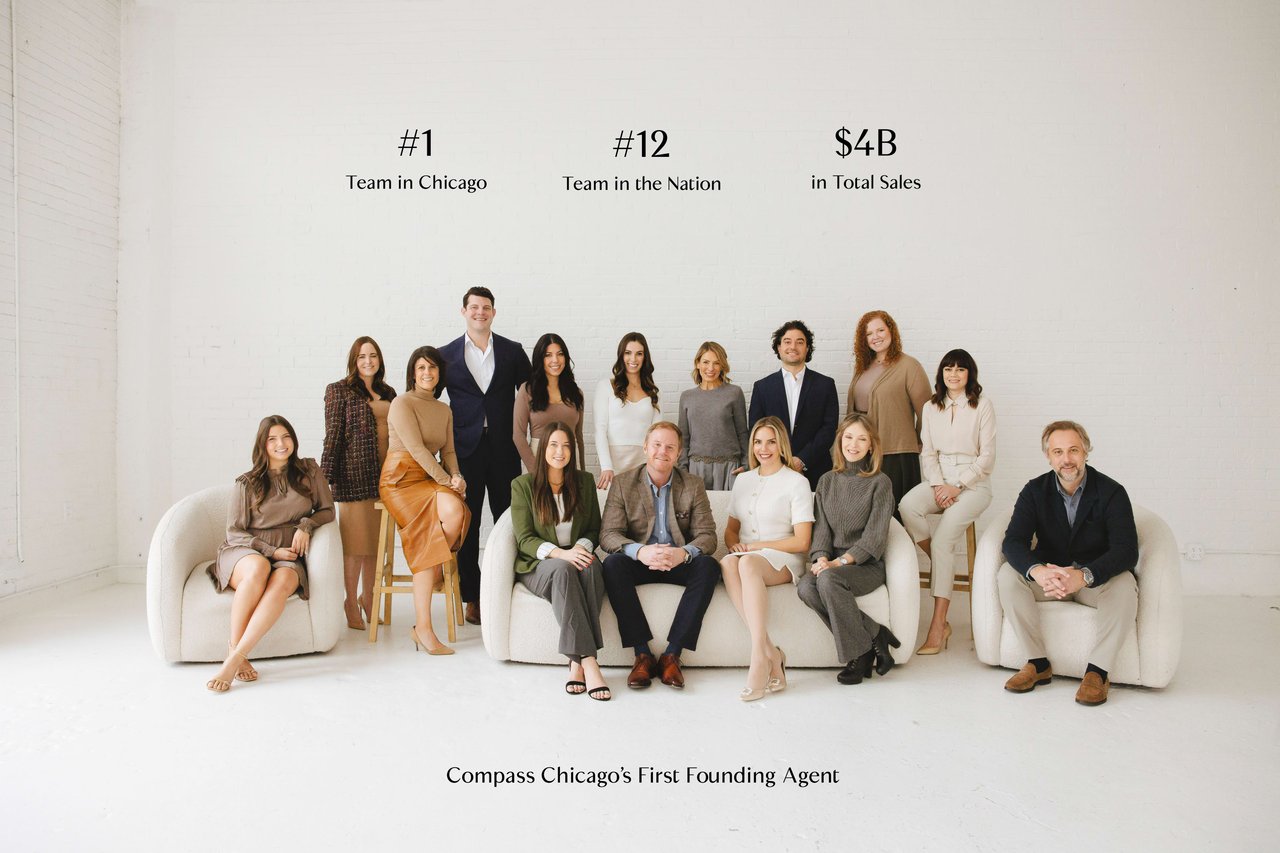

The Lowe Group is a team of #1 Chicago real estate agents with strong broker and community ties. With our deep local knowledge and connections, we ensure that your home is priced right and receives maximum exposure. As seasoned negotiators and marketing experts, we are dedicated to providing a seamless and stress-free experience.
Stay up to date on the latest real estate trends.
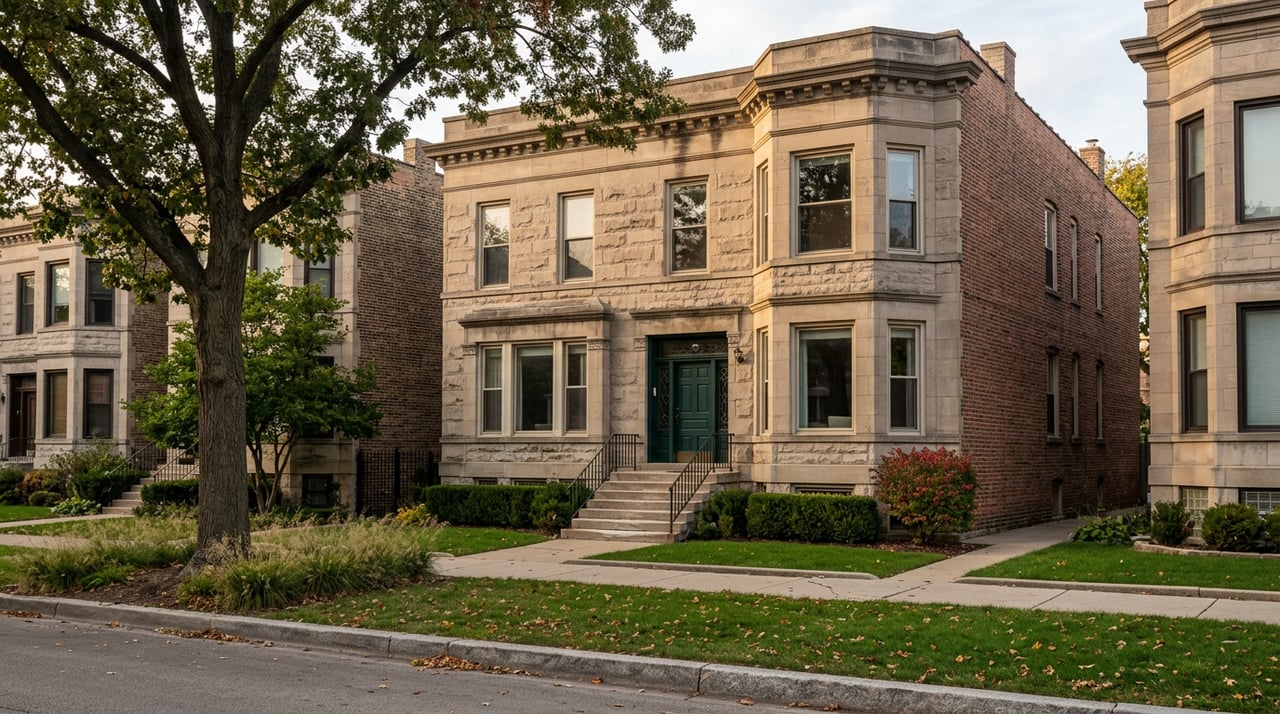


Vast Green Space, the Free Zoo, and Culture in Lincoln Park.
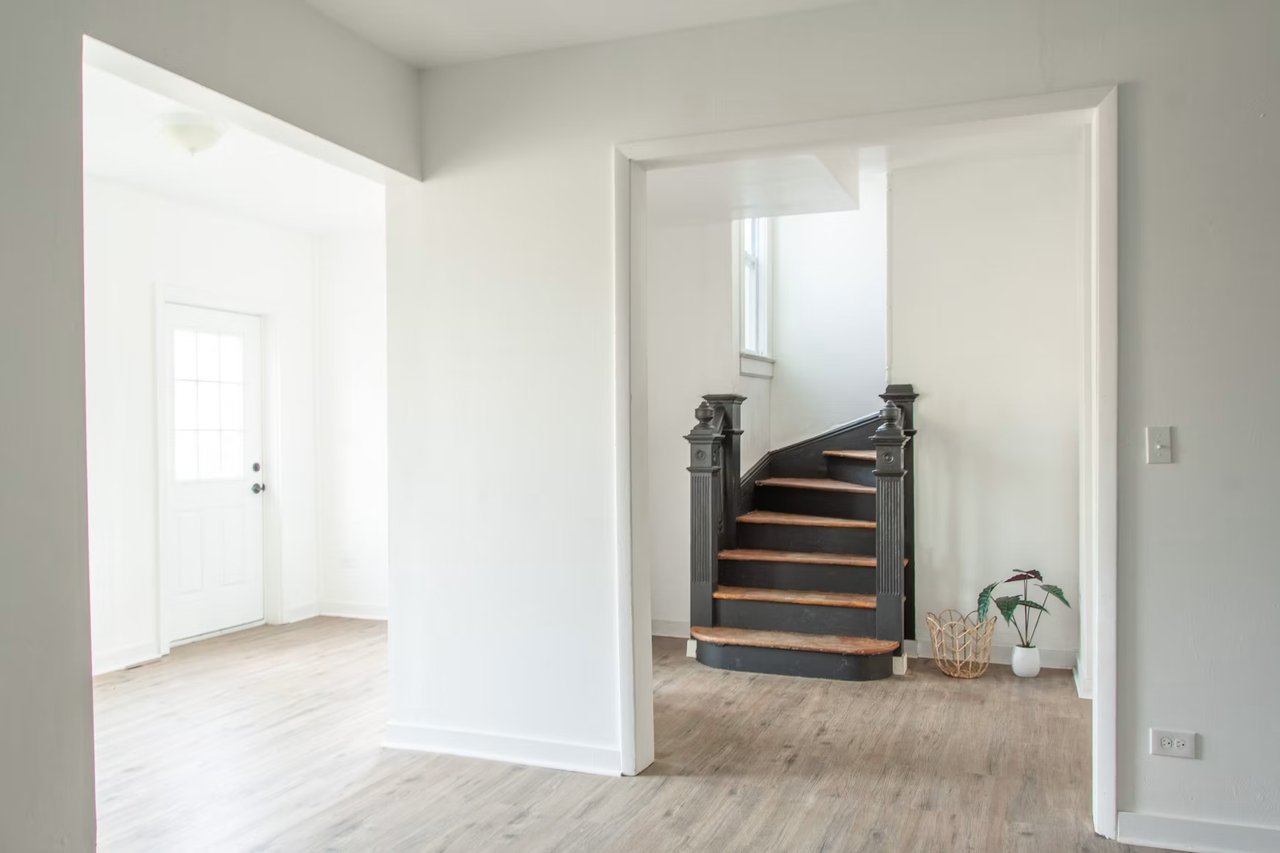
Greystones, Gaslit Streets, and the Search for Historic Homes.
Outdoor Spaces, Cafe Retreats, and More in Lincoln Park.

A First-Timer's Roadmap to Buying a Home for the First Time in Lincoln Park.
We are not just here to help sell or buy your home; we are here to be a valuable resource for all your home needs and questions. Passionate about real estate, we find joy in the industry's dynamic nature and the opportunity it presents to connect people with their dream homes. Our success is built on our local expertise and market knowledge.