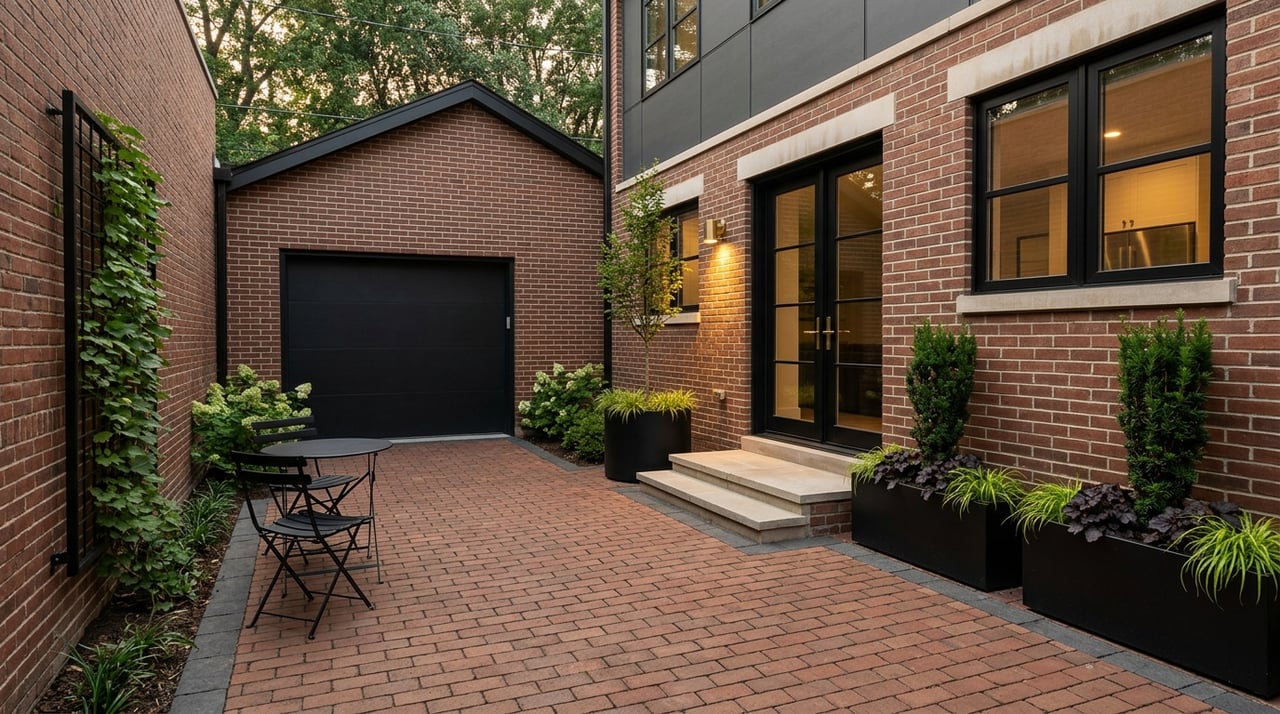
Townhome Or Single-Family Home In Bucktown: How To Decide
July 16, 2026
July 16, 2026
Trying to choose between a townhome and a single-family home in Bucktown? You are not alone. For many buyers here, the decision is less about which option is “better” and more about which one fits your daily life, budget, and long-term plans. In this guide, you will learn how Bucktown’s housing mix, ownership structures, and neighborhood lifestyle can shape the right choice for you. Let’s dive in.
Bucktown stands out for its mix of vintage homes, modern residences, green space, and strong neighborhood character. It is also one of Chicago’s more connected neighborhoods, with a Walk Score of 93, Transit Score of 73, and Bike Score of 94 according to Redfin.
That matters because your home choice in Bucktown is closely tied to how you want to live. If you value being able to get around easily, enjoy nearby parks and retail, and make the most of a walkable urban setting, both townhomes and single-family homes can work well here.
Bucktown’s housing stock also gives you real options. Redfin notes a mix of single-family homes, condos, and lofts in the neighborhood, while recent listing data showed 65 condos, 6 townhouses, and 11 multi-family properties for sale in the prior month. In other words, townhomes are part of the market, but they are still a relatively limited slice of supply.
In a neighborhood where values are already in the mid-to-high $600,000s, choosing the right property type matters. As of March 2026, Redfin reported a median sale price of $697,500, while Zillow reported an average home value of $646,623.
The market also remains competitive. Redfin showed homes averaging 34 days on market and a 101.9% sale-to-list ratio, which suggests buyers are often paying close to or above asking when the property checks the right boxes.
That means your choice should go beyond the listing photos. Features like privacy, outdoor space, parking, condition, and layout can have an outsized impact on both your day-to-day satisfaction and future resale.
One of the biggest mistakes buyers make is assuming all townhomes are legally and financially alike. In Illinois, a townhome may be part of a condominium structure, or it may be in a non-condominium common-interest community.
According to the Illinois Department of Financial and Professional Regulation, condo owners own their private unit and co-own the common elements. The association then charges monthly assessments to maintain and operate those shared areas.
In a non-condominium common-interest community, each owner typically owns the land and private residence, but may still pay fees for shared facilities and follow architectural restrictions. So even if two Bucktown townhomes look similar, they can come with very different responsibilities and costs.
If you are comparing a townhome with a single-family home, this legal distinction is not a technical detail. It can directly affect your monthly affordability, your control over improvements, and your future resale confidence.
For any Bucktown townhome, you will want to confirm:
Illinois law allows condominium associations to budget for common expenses and reserves, and it also allows separate assessments, including emergency or mandated-law assessments. That is why the monthly payment alone does not tell the full story.
For many buyers, the main appeal of a townhome is simpler day-to-day ownership. If the home is part of a condo or common-interest association, some shared-area and common-element costs are spread through assessments rather than handled entirely on your own.
That setup can be especially appealing if you want to spend less time coordinating exterior maintenance. In a neighborhood like Bucktown, where many buyers care deeply about convenience and location, that trade-off can make a lot of sense.
Bucktown already delivers much of what people want from urban living. Choose Chicago describes the area as eclectic, green, and architecturally varied, and the neighborhood’s walkability helps reduce the need for a large private footprint.
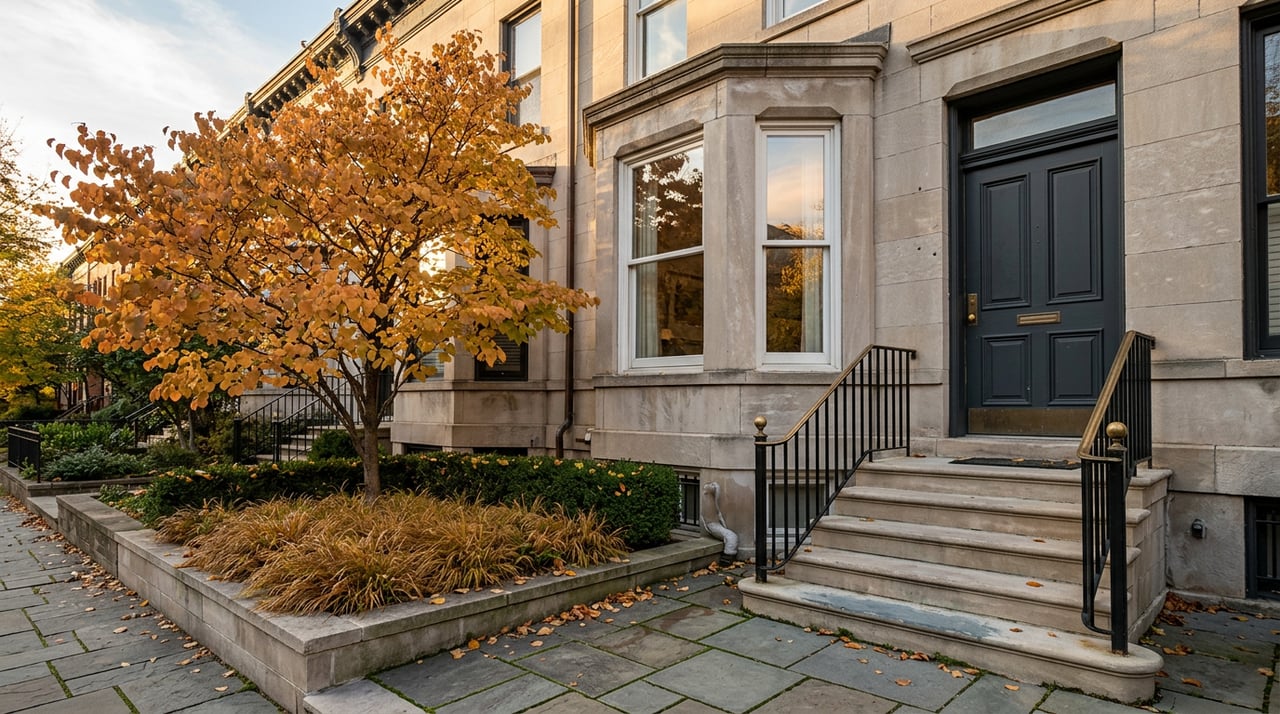
If you do not need a big yard every day, a townhome may feel like a smart middle ground. You can often get more separation than a condo while still keeping a manageable property and staying close to parks, cafes, retail, and the 606.
A townhome can be a strong fit if your priorities center on layout, location, and easier upkeep rather than maximum lot size. In Bucktown, that often means trading some privacy and outdoor space for a more efficient ownership experience.
For the right buyer, that is not a compromise. It is a deliberate lifestyle choice.
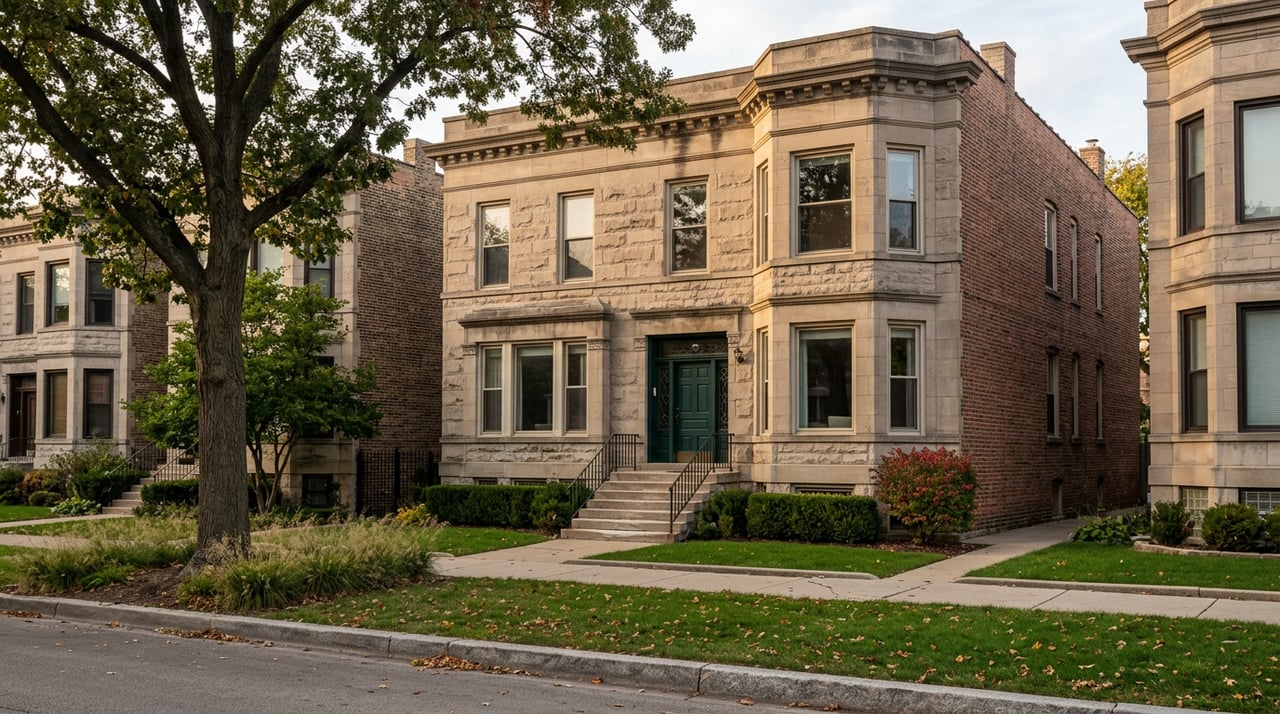
If privacy is high on your list, a single-family home usually has the clearest advantage. Detached homes generally offer fewer shared walls, more separation from neighbors, and a stronger sense of living in a standalone property.
That difference can be meaningful if you work from home, entertain often, or simply want more breathing room. In a dense urban neighborhood, privacy can be one of the hardest features to replace later.
Single-family homes also tend to stand out when it comes to private outdoor space. Chicago zoning notes that RS districts are intended for detached houses on individual lots, while RT districts are intended to accommodate detached homes, two-flats, townhouses, and other low-density buildings.
In practical terms, detached homes often give you more yard space and greater flexibility over how you use it. If having private outdoor room is central to your lifestyle, a single-family home may be the stronger fit.
A detached home often gives you a greater sense of control over repairs, replacements, and exterior decisions. That can be a major advantage if you prefer to make decisions on your own timeline rather than within the framework of an association.
Of course, more control also means more direct responsibility. You will likely need to budget more aggressively for items like the roof, façade, landscaping, snow removal, and repairs that might otherwise be shared in an association setting.
For most Bucktown buyers, this decision comes down to a simple question: do you want more convenience, or more control?
A townhome often leans toward convenience. A single-family home often leans toward privacy, flexibility, and independence. Neither path is automatically right, but one will likely match your lifestyle better.
You can use this quick framework as a starting point:
Before you move forward on either option, it helps to pressure-test the choice against your actual routine. The best home type is the one that supports how you live now and how you expect to live in the next few years.
Ask yourself:
In Bucktown’s competitive market, these answers can keep you focused. They can also help you avoid overpaying for features you will not use, or underestimating the long-term value of the ones you care about most.
Bucktown continues to show strong buyer demand by public market measures. Homes are selling in about a month, and more than 60% are closing above list, based on the market context in the research.
That suggests both townhomes and single-family homes can perform well at resale when the location, condition, layout, and price are aligned with the market. Still, buyers should expect to pay a premium for features that are harder to replicate, such as privacy, parking, outdoor space, and width.
This is where local strategy matters. Looking at the property type alone is not enough. In Bucktown, the block, legal structure, monthly carrying costs, and overall functionality can be just as important as square footage.
If you love the idea of lower-maintenance urban living and you are comfortable reviewing association details carefully, a townhome may offer the right balance of space and convenience. If you want more privacy, more control, and more private outdoor room, a single-family home may better support your long-term goals.
The right answer is personal, but it should also be grounded in the details. In Bucktown, understanding the ownership structure, true monthly costs, and trade-offs around privacy and upkeep can help you buy with more confidence.
If you are weighing townhomes versus single-family homes in Bucktown, Lowe Group Chicago can help you compare options with a neighborhood-specific strategy and a clear view of what matters most for your lifestyle and resale goals.


The Lowe Group is a team of #1 Chicago real estate agents with strong broker and community ties. With our deep local knowledge and connections, we ensure that your home is priced right and receives maximum exposure. As seasoned negotiators and marketing experts, we are dedicated to providing a seamless and stress-free experience.
Stay up to date on the latest real estate trends.
A Local's Guide to Experiencing the Arts in Lincoln Park.

The Essential Home-Buying Checklist for First-Time Home Buyers in Lincoln Park.



Vast Green Space, the Free Zoo, and Culture in Lincoln Park.
We are not just here to help sell or buy your home; we are here to be a valuable resource for all your home needs and questions. Passionate about real estate, we find joy in the industry's dynamic nature and the opportunity it presents to connect people with their dream homes. Our success is built on our local expertise and market knowledge.