Logan Square Living: Historic Boulevards And Modern Energy
May 28, 2026
May 28, 2026
Looking for a Chicago neighborhood that feels rooted and current at the same time? Logan Square stands out because you do not have to choose between historic character and everyday convenience. If you are thinking about buying or selling here, understanding what gives the neighborhood its identity can help you make a smarter move. Let’s dive in.
Logan Square is both an official Chicago community area and a historic neighborhood on the Northwest Side. It centers on the crossroads of Milwaukee Avenue, Logan Boulevard, and Kedzie Boulevard, with a long-established identity that continues to attract new residents. The Logan Square Chamber notes that the area remains rooted in a long-time Latino community while also welcoming steady new investment and population growth.
That layered identity is a big part of the appeal. In the 2020 Census, the Logan Square community area had a population of 73,927, which reflects a substantial, active urban neighborhood rather than a small pocket with a single vibe. For buyers and sellers alike, that means Logan Square offers both strong neighborhood recognition and a broad mix of housing and lifestyle experiences.
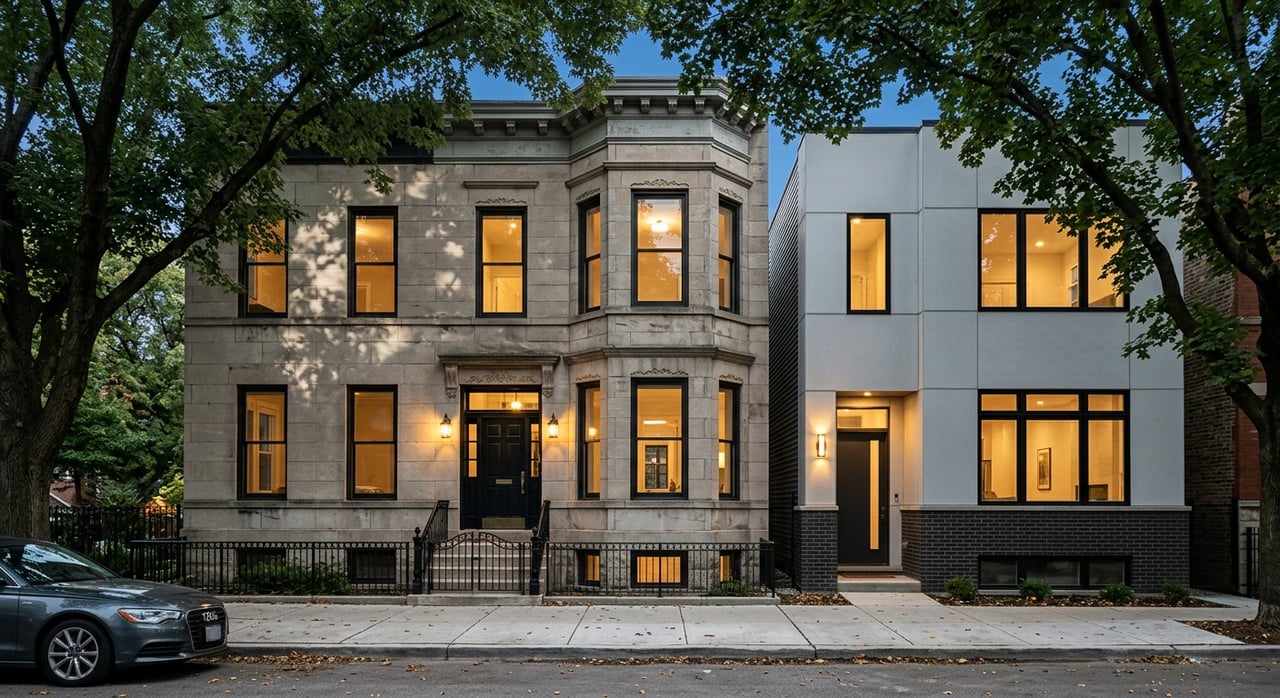
One of the clearest reasons Logan Square feels different is its boulevard system. The Logan Square Boulevards District became a designated Chicago Landmark in 2005, and the city describes it as one of the finest sections of Chicago’s park boulevard system. The district generally includes Logan, Kedzie, Palmer, and Humboldt Boulevards north of Cortland, with most buildings dating from about 1880 to 1930.
At the center of that historic core are Logan and Palmer Squares, along with the Illinois Centennial Monument. These public spaces give the neighborhood a strong visual identity and a sense of place that is hard to replicate elsewhere. When you walk or drive through the area, the boulevards make a lasting first impression.
The tree-lined streets add even more character. Logan Square Preservation says it has planted hundreds of trees on the boulevards and supported historic designations for several key stretches, along with protections for vernacular residential properties. That ongoing stewardship helps preserve the neighborhood’s look while supporting its long-term appeal.
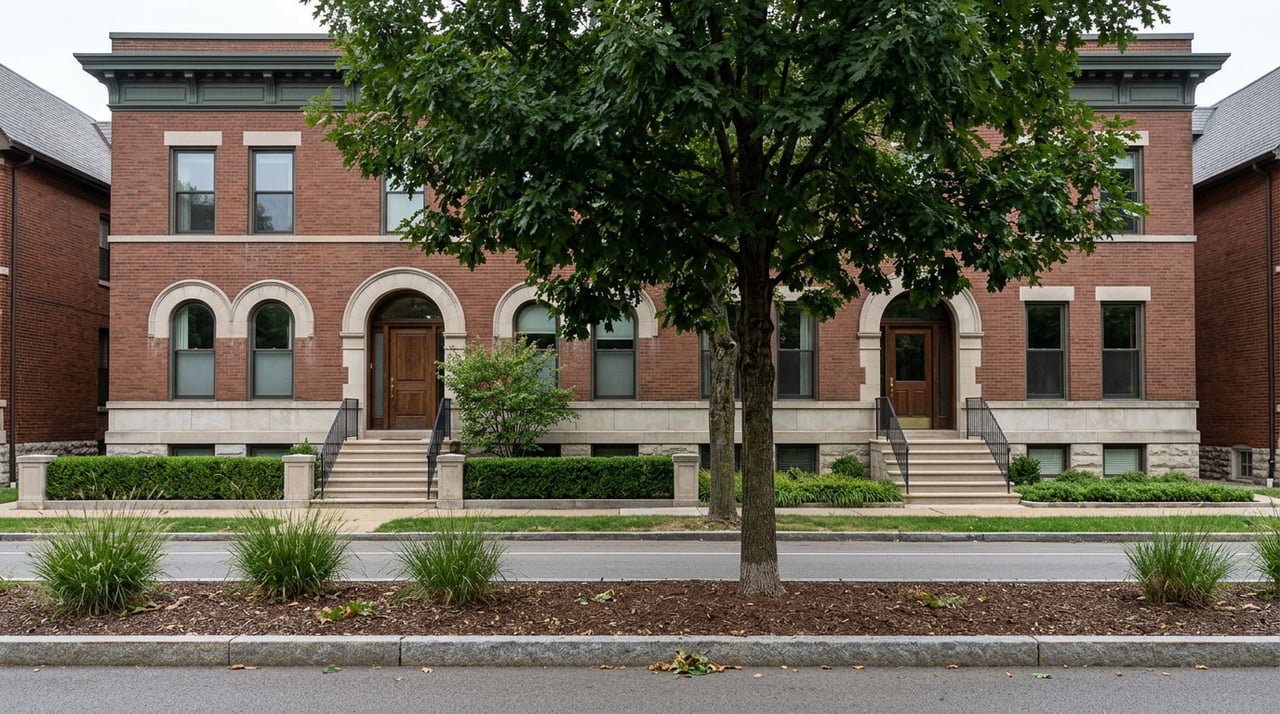
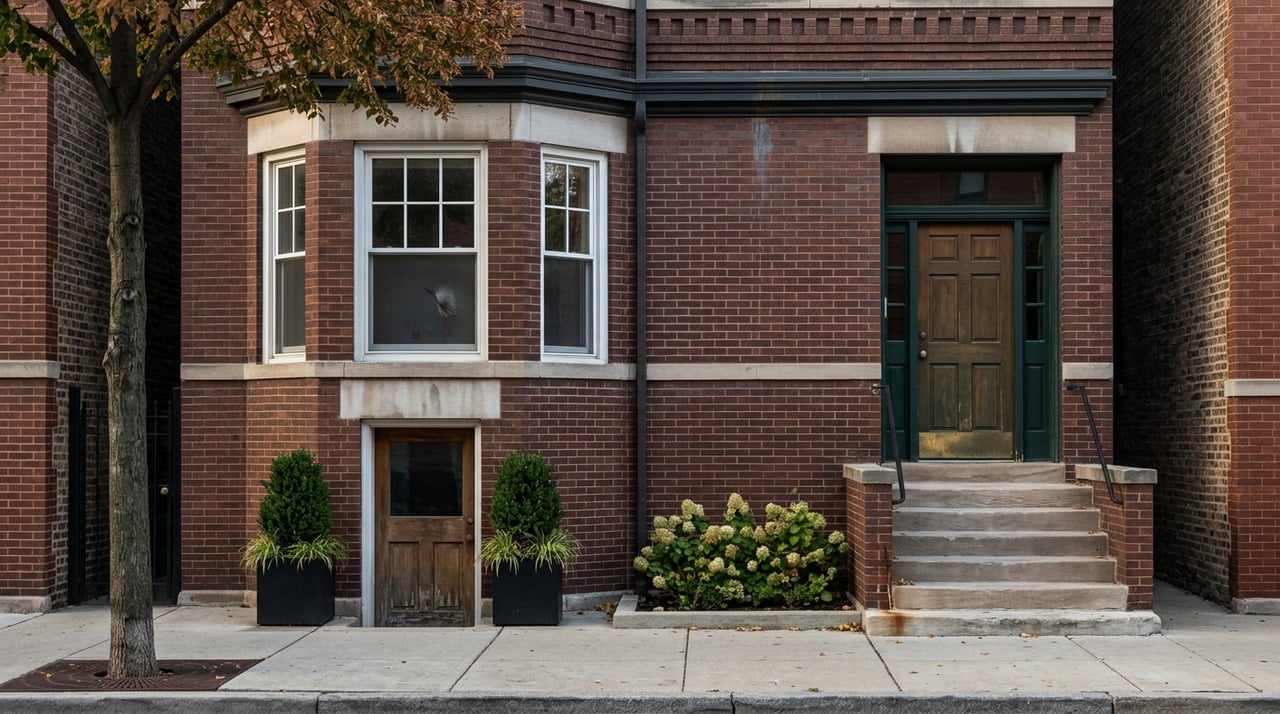
If you are drawn to architecture, Logan Square gives you a lot to notice. On the landmarked boulevards, it is accurate to highlight historic masonry homes, graystones, and early-20th-century architecture. These properties help define the neighborhood’s visual identity and are part of what gives Logan Square such a distinct street presence.
At the same time, the broader housing mix is more varied than the historic core alone might suggest. Based on the neighborhood’s continued growth and investment, it is reasonable to infer that you will also find flats, apartments, and newer condo product across the wider area. That combination can be appealing if you want options, whether you are searching for vintage detail, a more updated layout, or a resale opportunity that fits your next chapter.
For sellers, that variety matters too. Buyers often come to Logan Square with a specific lifestyle goal in mind, but not always a single property type. A neighborhood that offers historic homes, condos, and apartments can attract a wide range of serious interest.
Character is important, but so is daily function. Logan Square is especially compelling because it pairs its historic identity with strong transit access. The CTA Logan Square station at 2620 N. Milwaukee Avenue is an accessible subway station with indoor and sheltered bike parking, plus bus connections to the 56 and 76 routes.
CTA also notes that the Blue Line provides 24-hour rapid transit service between O’Hare and Forest Park by way of downtown Chicago. For many buyers, that is a major quality-of-life advantage. It supports airport access, downtown commuting, and easy movement across the city without giving up the feel of a neighborhood with architectural depth and local personality.
If you are relocating to Chicago, this is one reason Logan Square often lands on the shortlist. It offers a strong urban street life and recognizable housing character while still making day-to-day logistics easier.
Logan Square’s energy is not limited to its architecture. Choose Chicago describes the neighborhood as multicultural, with arts organizations, intimate music venues, locally owned shops, and cocktail bars. That mix helps explain why Logan Square feels established but never frozen in time.
The food and drink scene reflects that balance. Recent neighborhood guides from Choose Chicago point to a blend of longtime and newer destinations, including Lula Cafe, Daisies, Andros Taverna, Table, Donkey and Stick, Lonesome Rose, Longman & Eagle, Parson’s Chicken and Fish, The Whistler, Chicago Distilling Company, and Wolfbait & B-Girls.
What matters most is not just the list of names. It is the way the neighborhood combines old-school panaderias, late-night bars, trendy restaurants, and a visible music scene. For buyers, that creates a sense of momentum. For sellers, it reinforces Logan Square’s reputation as a place people actively want to explore, return to, and call home.
Logan Square also offers more than a standard restaurant-and-bar scene. Several creative venues shape the neighborhood’s identity in a meaningful way. The Logan Theatre, which opened in 1915, now includes a bar and lounge and is associated with the Chicago Underground Film Festival.
Comfort Station adds another layer. The restored 1926 to 1927 public comfort station now hosts concerts, film screenings, workshops, and other public programming. Spaces like these help make Logan Square feel culturally active, not just commercially busy.
The Logan Square Farmers Market is another neighborhood anchor. Its official site says it has operated since 2005 as an open-air food market and weekly community gathering, while Choose Chicago describes it as a seasonal Sunday market running from May through October. That kind of recurring event can say a lot about how people use and enjoy the neighborhood week after week.
If you are shopping for a home, Logan Square often appeals because it checks multiple boxes at once. It has architectural identity, recognizable public spaces, strong transit access, and an active local business scene. In practical terms, that can make it easier to picture both your day-to-day routine and your long-term fit.
Based on the neighborhood and transit profile in the research, it is fair to say Logan Square is often a strong fit for relocating professionals, urban buyers, and people who want historic character with restaurant, nightlife, and commuter convenience. That does not mean every buyer is looking for the same thing. It means the neighborhood offers a combination of features that tends to resonate with people who want both atmosphere and functionality.
If you are preparing to sell in Logan Square, context matters. Buyers are often responding to more than square footage or finishes alone. They are also buying into the neighborhood’s story, whether that is the boulevard setting, the historic housing character, the Blue Line access, or the energy of the local dining and arts scene.
That is why positioning is so important. In a neighborhood with both historic housing and newer product, it helps to frame your home clearly within the broader Logan Square market. A tailored strategy can highlight what makes your property relevant to today’s buyer while still grounding it in the neighborhood features people already value.
For some homes, that may mean emphasizing architecture and setting. For others, it may mean focusing on layout, updates, convenience, or how the property fits a modern city lifestyle. The key is understanding the buyer profile your home is most likely to attract.
Some neighborhoods are known mainly for history. Others are known mainly for what is new. Logan Square continues to draw attention because it genuinely offers both. The landmark district preserves a historic core, while the dining, nightlife, transit, and arts scene give the neighborhood a contemporary edge.
That balance is what gives Logan Square staying power. If you want a neighborhood that feels visually distinct, socially active, and practical for daily life, it is easy to see why Logan Square remains one of Chicago’s most closely watched residential markets.
Whether you are buying your first place here, making a move within the city, or preparing to sell, neighborhood knowledge makes a difference. If you want a more tailored strategy for Logan Square real estate, connect with Lowe Group Chicago.
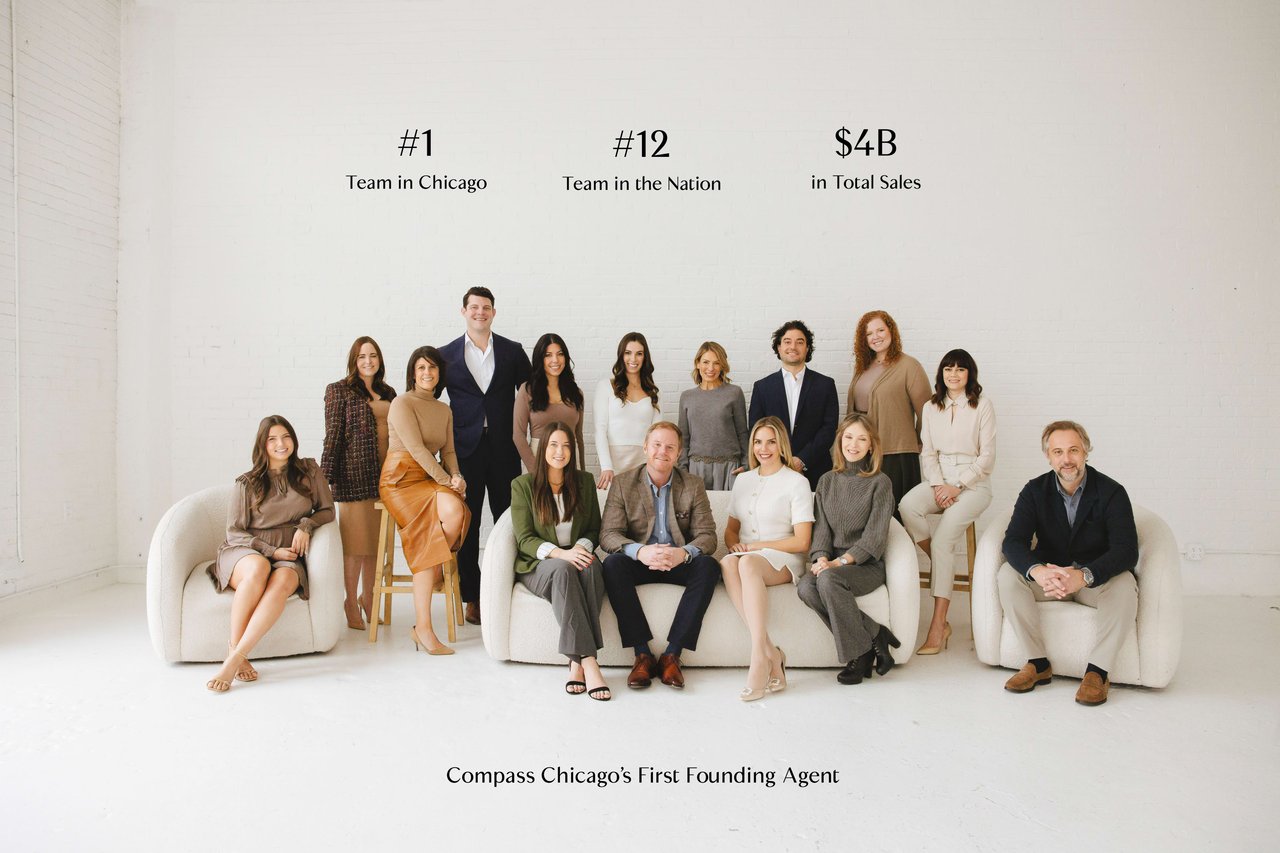
The Lowe Group is a team of #1 Chicago real estate agents with strong broker and community ties. With our deep local knowledge and connections, we ensure that your home is priced right and receives maximum exposure. As seasoned negotiators and marketing experts, we are dedicated to providing a seamless and stress-free experience.
Stay up to date on the latest real estate trends.


Vast Green Space, the Free Zoo, and Culture in Lincoln Park.
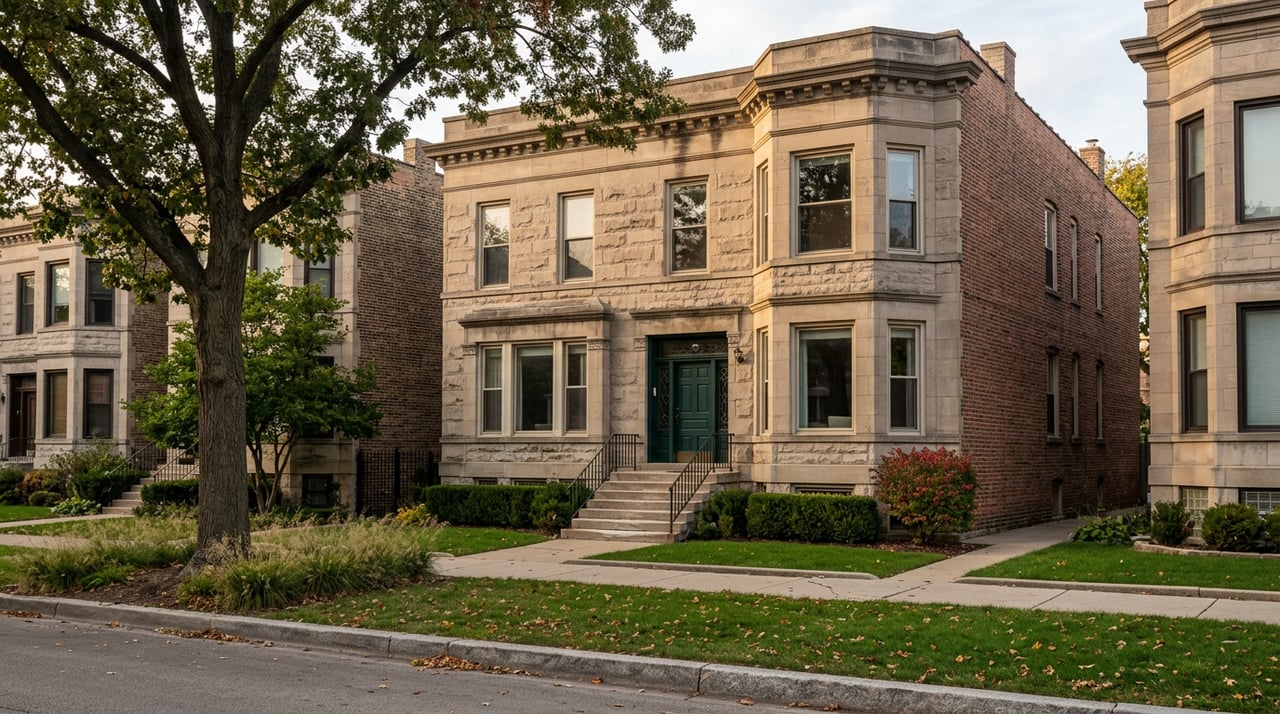
Greystones, Gaslit Streets, and the Search for Historic Homes.
Outdoor Spaces, Cafe Retreats, and More in Lincoln Park.
A First-Timer's Roadmap to Buying a Home for the First Time in Lincoln Park.
We are not just here to help sell or buy your home; we are here to be a valuable resource for all your home needs and questions. Passionate about real estate, we find joy in the industry's dynamic nature and the opportunity it presents to connect people with their dream homes. Our success is built on our local expertise and market knowledge.