By The Lowe Group
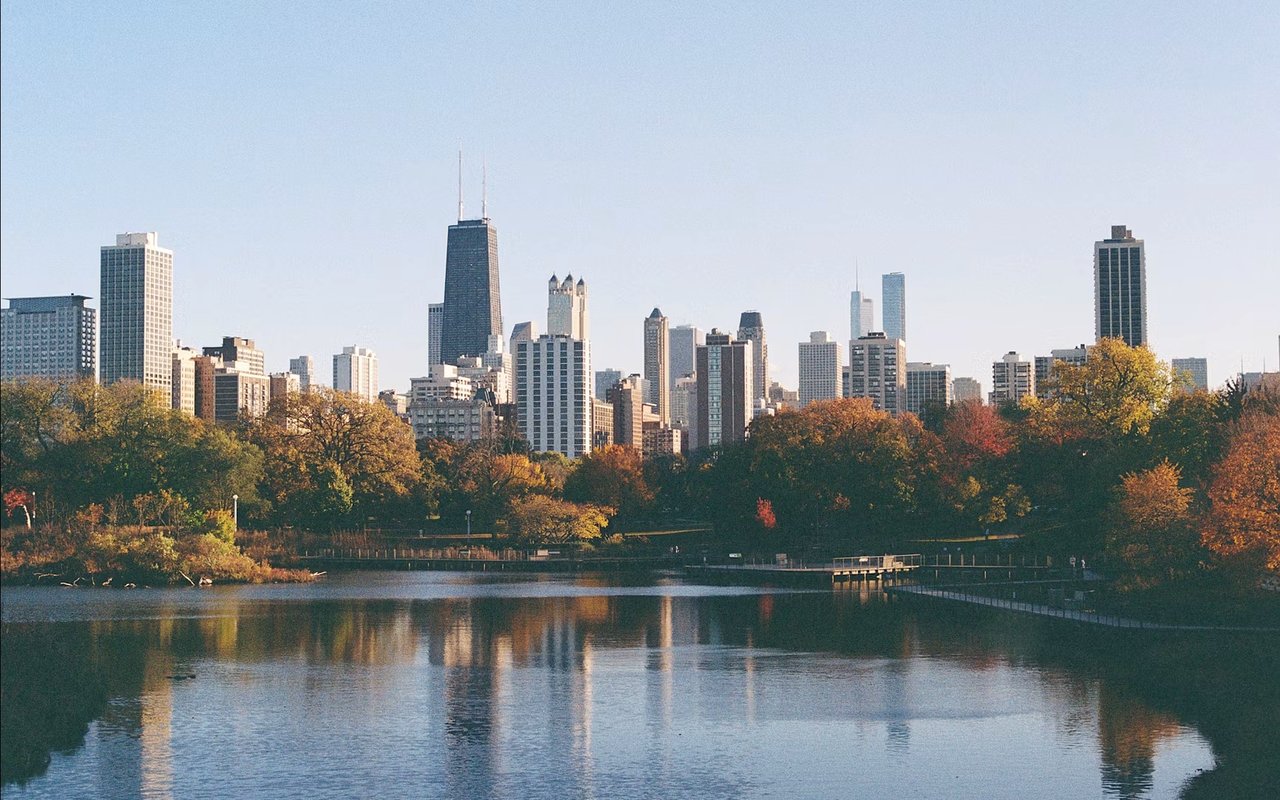
Lincoln Park is the kind of neighborhood that earns its reputation. Tree-lined streets, one of the country's greatest urban parks, a world-class dining scene, and a genuine sense of community — all within minutes of the Loop — make it one of the most sought-after addresses on Chicago's North Side. Whether you're relocating, upgrading, or simply exploring your options, here's what living in Lincoln Park actually looks like day to day.
Key Takeaways
- Lincoln Park's namesake park spans over 1,200 acres and offers a free zoo, conservatory, lakefront beaches, and year-round programming right outside your door
- The neighborhood's sub-pockets — Ranch Triangle, Sheffield Neighbors, and Wrightwood Neighbors — each have a distinct character that shapes your daily experience
- Transit access via the Brown, Red, and Purple lines makes commuting to the Loop fast and reliable without a car
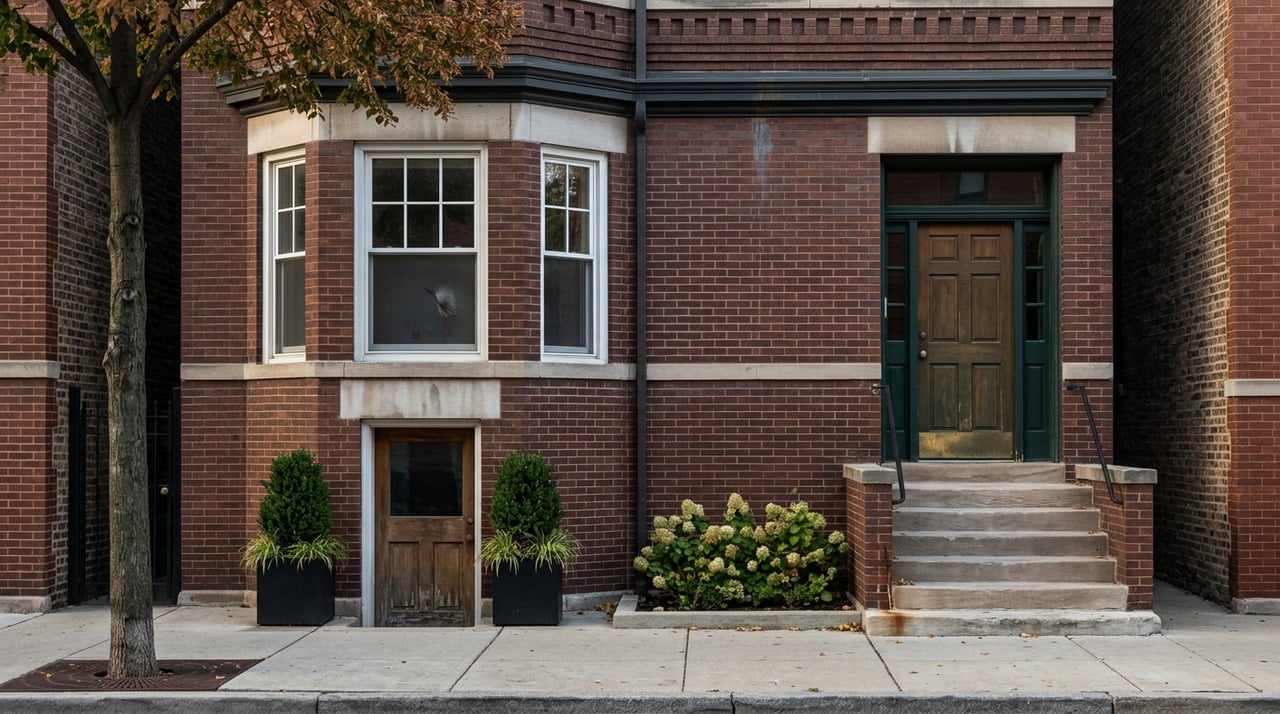
- Housing ranges from vintage greystones and historic brownstones to modern high-rises, giving buyers and renters options across a range of price points
The Park Itself Is the Amenity
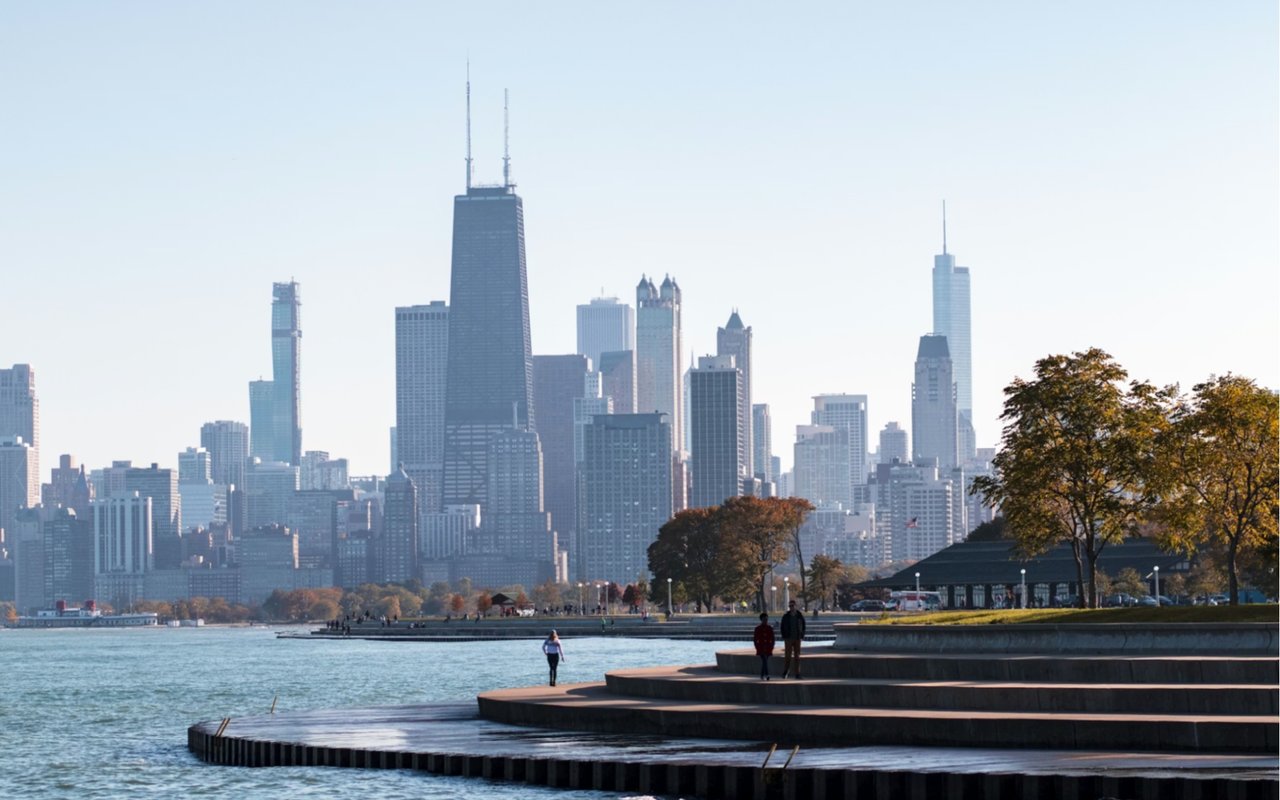
Most neighborhoods borrow their identity from restaurants or retail. Lincoln Park borrows its name from 1,208 acres of green space stretching along Lake Michigan from North Avenue to Diversey Parkway. The Lincoln Park Zoo — one of the few free-admission zoos in the country — draws nearly two million visitors annually. South Pond, with its pavilion designed by architect Jeanne Gang, offers one of the most scenic spots in the entire city.
What the Park Puts Within Walking Distance
- Five beaches along the lakefront, including North Avenue Beach and Fullerton Beach, are accessible year-round for runs, swims, and sunset walks
- The Lakefront Trail is a continuous multi-use path connecting Lincoln Park to neighborhoods north and south along the water
- Seasonal programming, including ZooLights in winter and a summer farmers market inside the park
- Dog parks, harbors, playgrounds, and open meadows that give residents the feel of suburban green space in the middle of a major city
For buyers weighing Lincoln Park against comparable North Side neighborhoods, this park access alone is often the deciding factor.
Neighborhoods Within the Neighborhood
Lincoln Park isn't uniform — it's a collection of distinct sub-pockets, each with its own character. Understanding which one fits your lifestyle is the first question worth asking before you start searching.
Lincoln Park's Main Sub-Areas
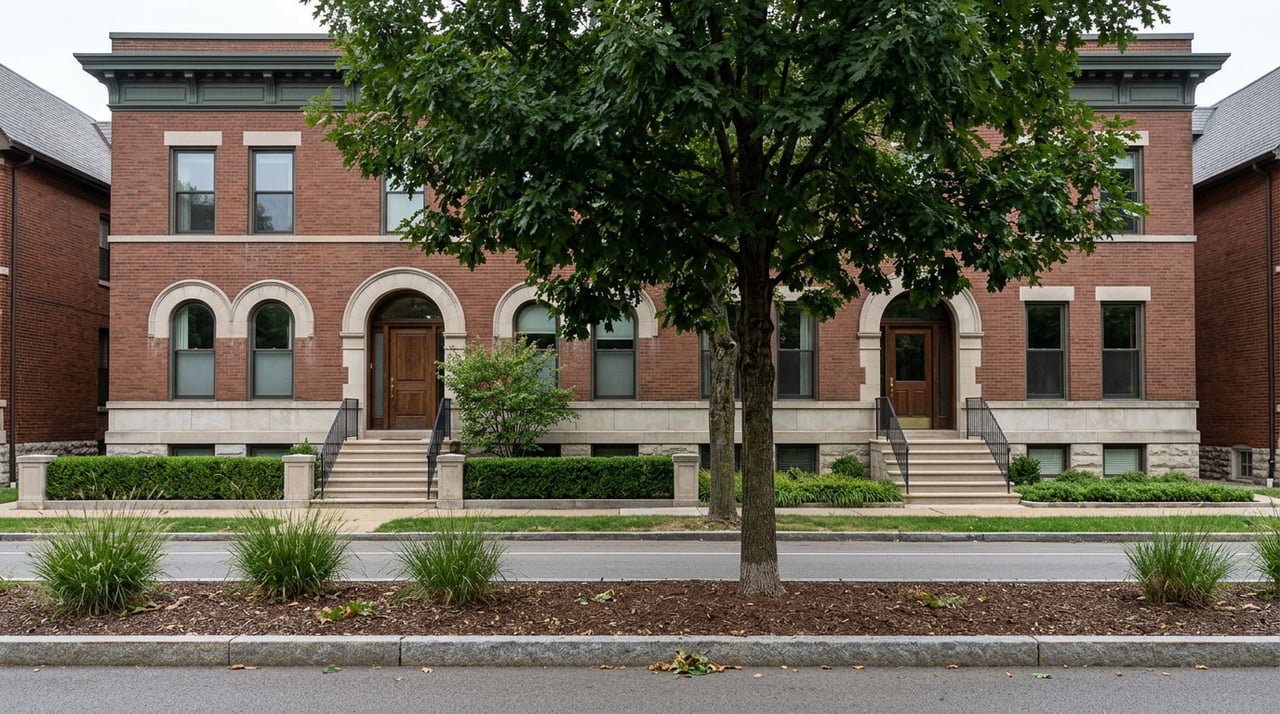
- Ranch Triangle: The dining and shopping epicenter, anchored by the Armitage Avenue corridor with independent boutiques, Michelin-starred Alinea, and historic brick row houses on picturesque side streets
- Sheffield Neighbors: The liveliest pocket, home to DePaul University, where collegiate energy meets single-family homes, mid-rise condos, and Kingston Mines blues club on North Halsted
- Wrightwood Neighbors: The quietest and most residential corner, favored by families for its vintage walk-ups and easy park access without the nightlife foot traffic
- Mid-North: A prime corridor for newer high-rise development with strong walkability to groceries, restaurants, and transit — popular with young professionals who want maximum convenience
Visiting all of these sub-areas before committing to a specific block is always worth the time.
Getting Around Without a Car
Lincoln Park is one of Chicago's most transit-connected neighborhoods. The Brown, Red, and Purple lines run north-south through the heart of the neighborhood, putting the Loop within 15 to 20 minutes from most addresses. The Armitage, Fullerton, and Diversey stations are the primary stops, with bus routes along Armitage and Fullerton extending east to the lake and west toward Bucktown and Logan Square.
Transit Options Lincoln Park Residents Rely On
- CTA Brown and Red lines provide frequent service to the Loop, River North, and points north toward Wrigleyville and Andersonville
- Bus service along Clark Street, Halsted Street, and Lincoln Avenue covering north-south movement within the neighborhood
- Divvy bike-share stations throughout the neighborhood for short trips and lakefront rides
- The Lakefront Trail is a practical commuting route for cyclists heading downtown during warmer months
Parking is limited and often expensive — most residents who rely on transit find they rarely need a car for daily life.
The Food and Culture Scene
Lincoln Park's dining and cultural scene punches well above its geographic size. Alinea on North Halsted has held three Michelin stars for years. Pequod's Pizza on North Clybourn is a Chicago institution. The Steppenwolf Theatre on North Halsted is one of the most respected theater companies in America, and Kingston Mines has anchored the city's blues tradition on North Halsted for decades.
Cultural and Dining Highlights Worth Knowing
- Steppenwolf Theatre Company on North Halsted, a Tony Award-winning regional theater drawing audiences from across the Midwest
- Kingston Mines on North Halsted, one of Chicago's oldest blues clubs, opens late seven nights a week
- The Chicago History Museum on North Clark, documenting the city's architectural, social, and cultural story
- Cafe Ba-Ba-Reeba on North Halsted, a neighborhood staple serving Spanish tapas that has defined its stretch of Halsted Street for decades
The neighborhood rewards exploration — new restaurants, wine bars, and independent shops continue to open along Armitage, Clark, and Lincoln Avenue at a steady pace.
FAQs About Living in Lincoln Park
Is Lincoln Park a good neighborhood for families?
Yes, particularly in Wrightwood Neighbors. The area offers strong schools, abundant green space, and a safe, walkable environment. Lincoln Park Zoo and the conservatory are practical daily amenities for families with young children.
How expensive is it to live in Lincoln Park?
Lincoln Park is one of Chicago's pricier neighborhoods. Condos, vintage walk-ups, and single-family homes all carry a premium relative to the broader city — but the combination of park access, transit, and schools consistently justifies that premium for buyers who plan to stay.
What type of housing is available in Lincoln Park?
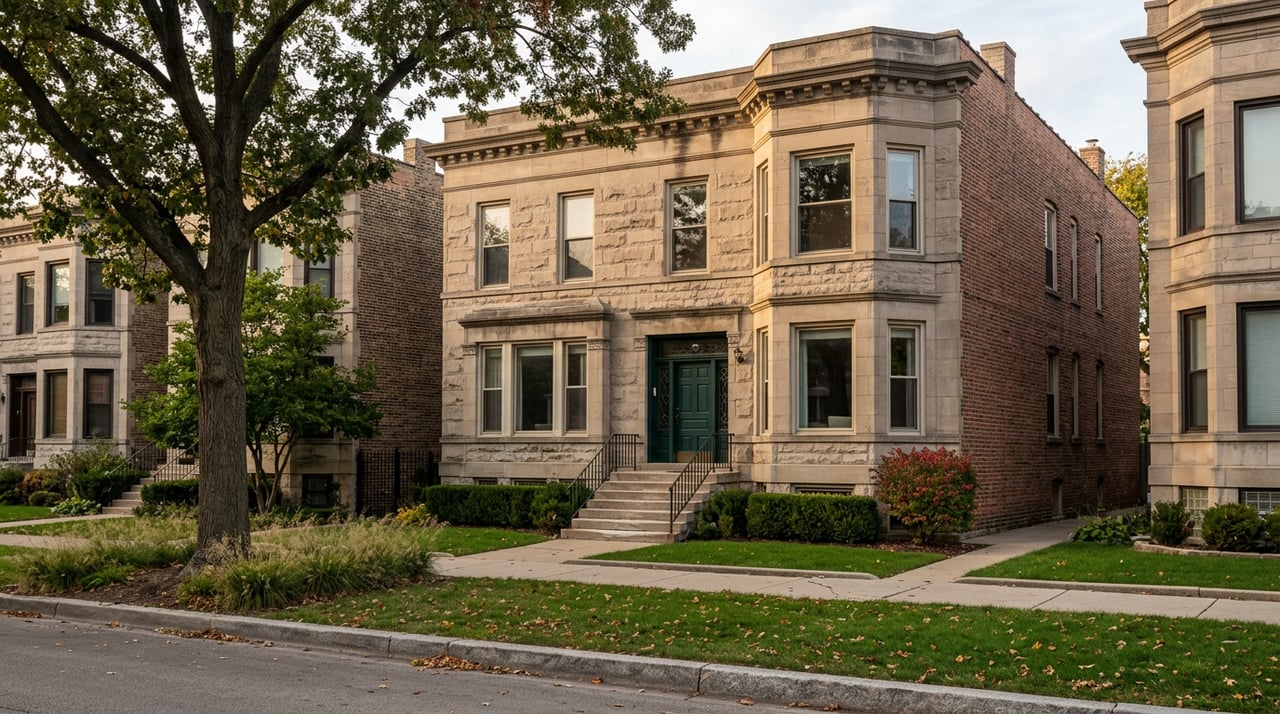
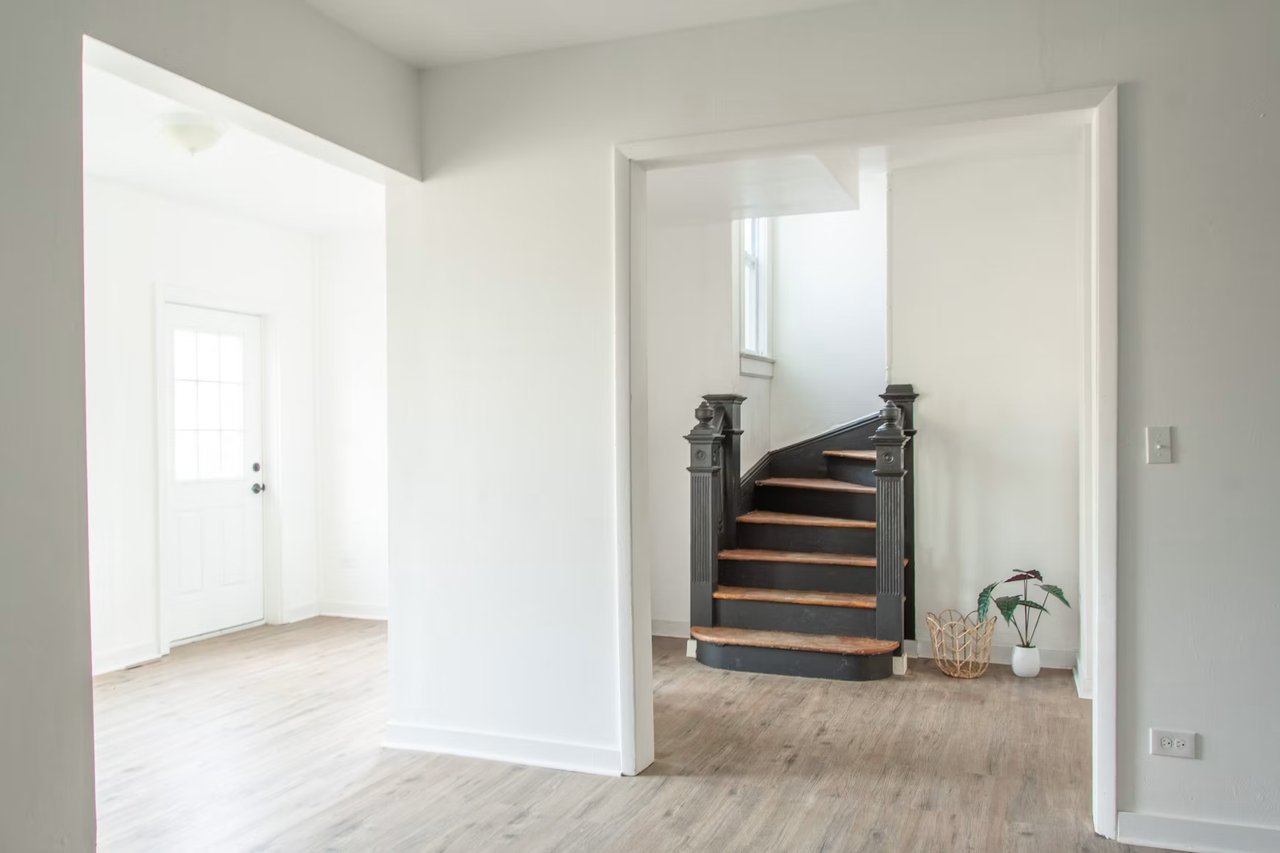
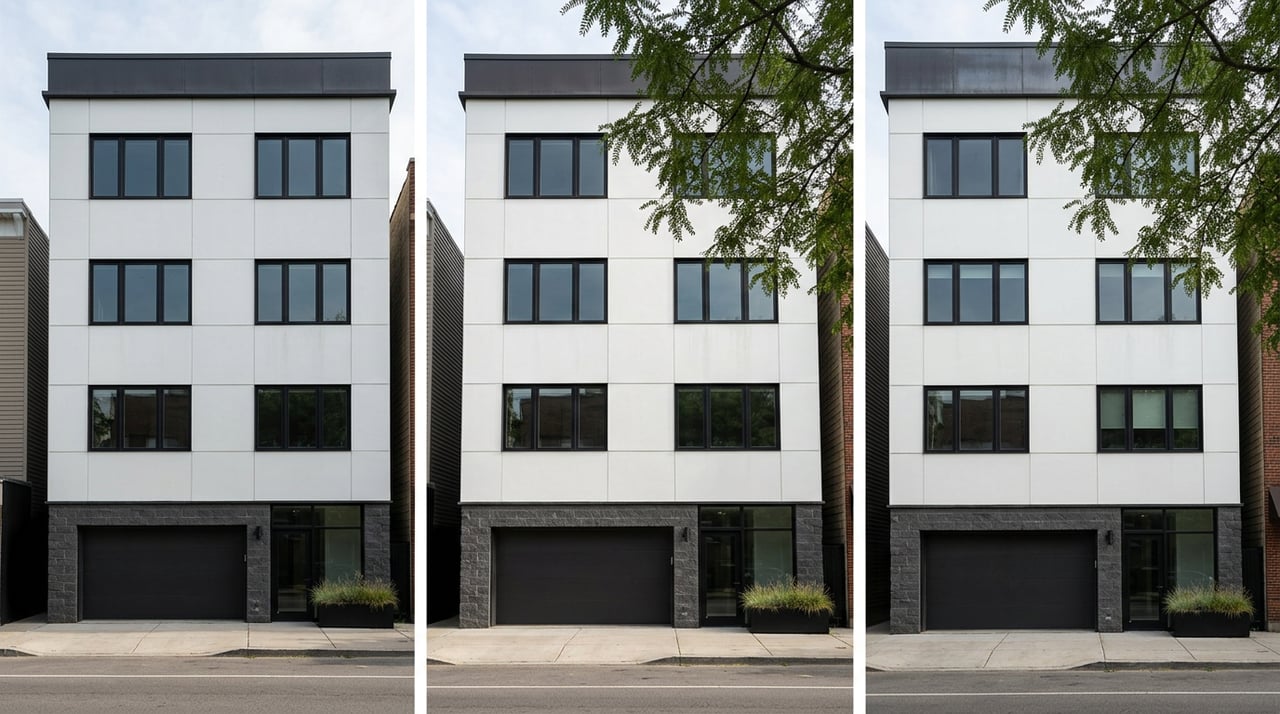
The inventory is genuinely diverse — historic brownstones and greystones, vintage courtyard buildings, modern high-rise condos, and single-family homes all exist within a few blocks of each other, with entry points at multiple price levels.
We Know Lincoln Park the Way Locals Do
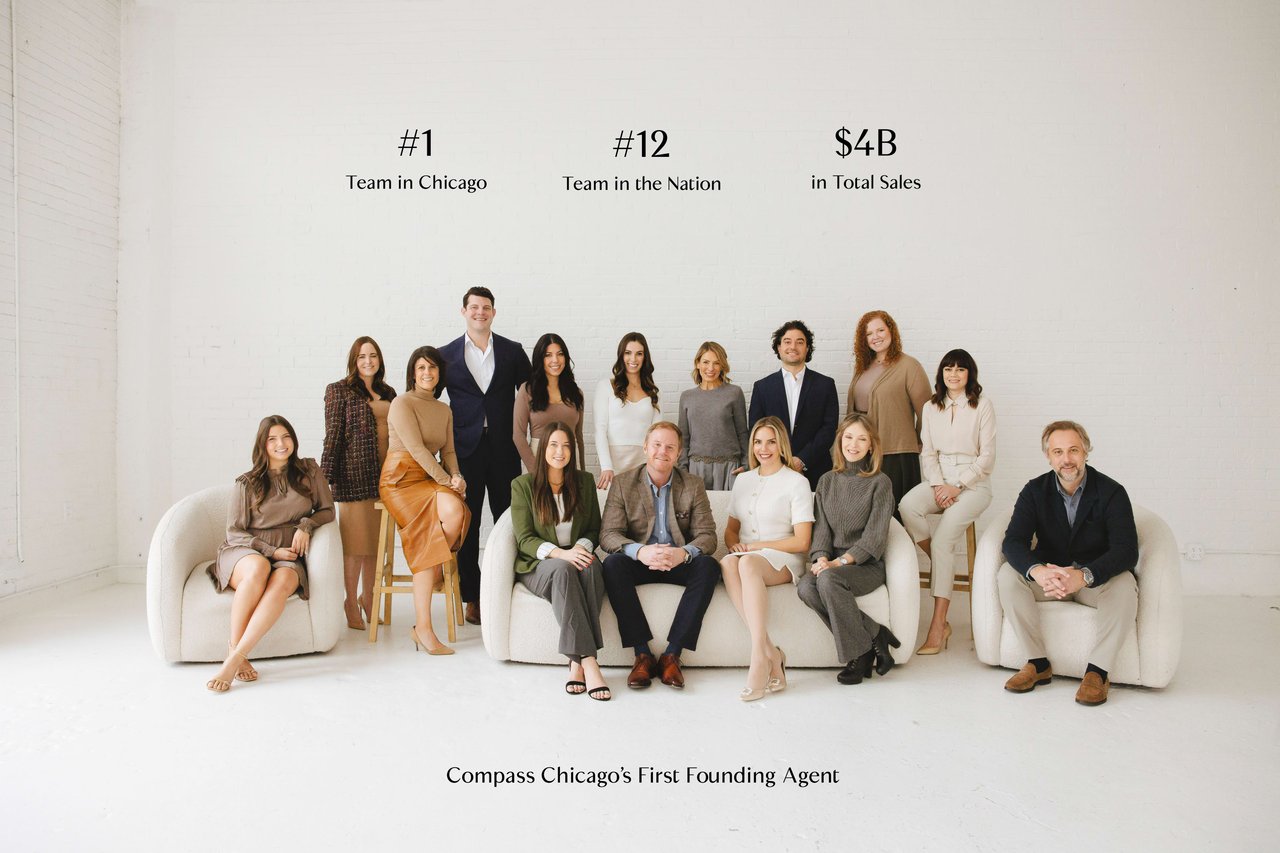
The Lowe Group is a team of real estate professionals with deep roots in Lincoln Park and strong broker and community connections throughout Chicago. We bring local knowledge, marketing expertise, and seasoned negotiating skills to every transaction — and our commitment extends well beyond the closing table. Whether you're buying, selling, or simply trying to understand what a move to Lincoln Park would actually look like, we're here to be a genuine resource at every stage.
Connect with The Lowe Group today.