By The Lowe Group
Few purchases feel as big as a first home, and Chicago adds its own local twists. Lincoln Park offers lakefront parkland, historic blocks, and solid transit, which makes preparation worth the effort. A clear plan keeps stress low and options wide. We outline the steps that help newcomers move from curiosity to keys.
Key Takeaways
- Down payment help: The Illinois Housing Development Authority lists an Access Home program that offers assistance for qualifying first-time purchasers.
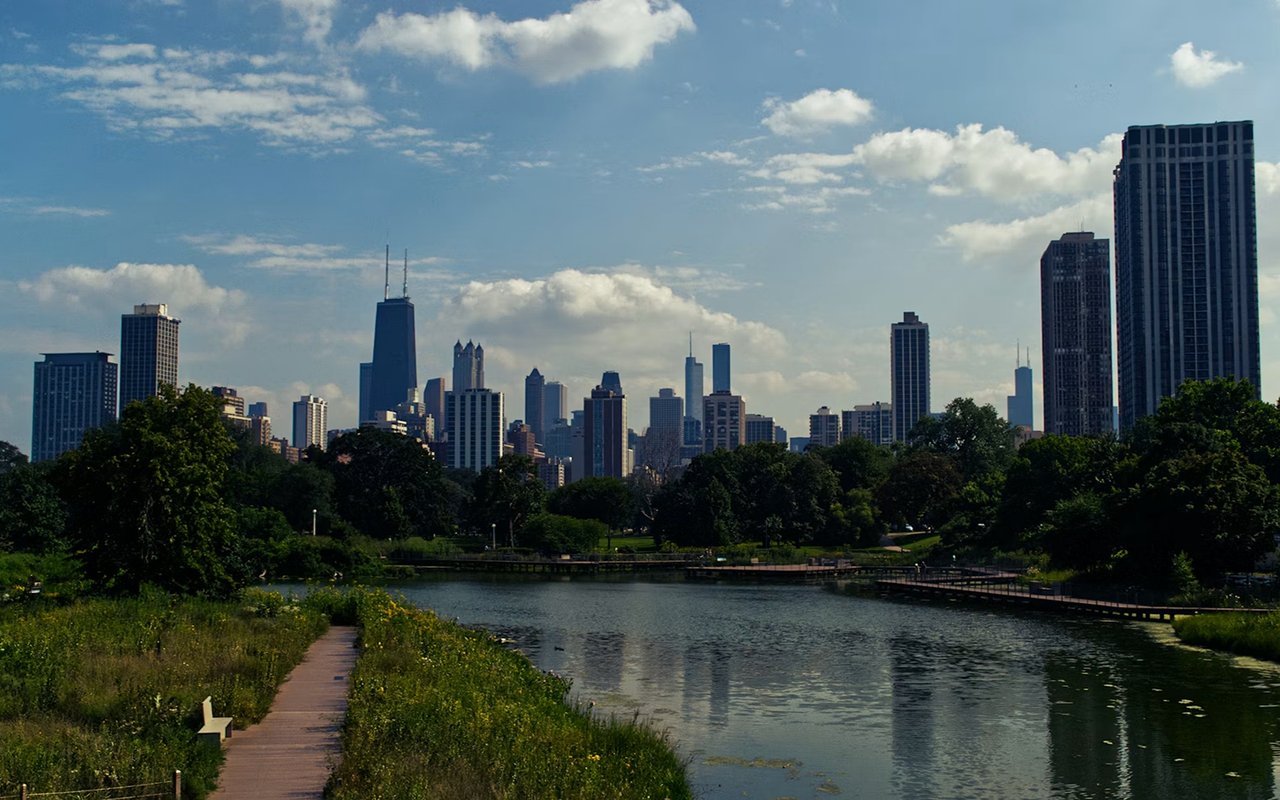
- Know the borders: Lincoln Park is bounded by Diversey Parkway, North Avenue, the Chicago River, and Lake Michigan.
- Test the commute: CTA and Metra stations serve the area, so trial trips reveal what a typical day looks like.
- Check local rules: Landmark districts and Cook County tax exemptions can affect plans and ongoing costs.
IHDA Access Home and Down Payment Help
The Illinois Housing Development Authority lists Access Home, which provides first-time purchasers with assistance equal to 6 percent of the purchase price, up to $15,000, for down payment and closing costs. Eligibility details are published on IHDA’s program pages.
Money Steps to Take
- Program review: Read the current IHDA program rules and confirm which requirements apply to your income and situation.
- Lender match: Ask lenders which participating options fit your budget and timeline, and request written estimates to compare.
- Cash plan: Add inspection fees, moving costs, and furniture to your savings target so early surprises stay small.
Program rules can change, so confirm details before you apply. A knowledgeable lender explains how assistance fits with a mortgage.
Lincoln Park Boundaries and Neighborhood Pockets
Lincoln Park is one of Chicago’s 77 community areas, bordered by Diversey Parkway, the Chicago River, North Avenue, and Lake Michigan. Within those lines, blocks vary from historic districts to newer buildings.
Neighborhood Questions to Ask
- Block character: Compare tree-lined historic streets with busier corridors near shops, and note which feel right for your routine.
- Home types: Weigh single-family homes, townhouses, and condominiums against your needs, including space, upkeep, and monthly costs.
- Noise and activity: Visit at different times of day to hear what daily life sounds like, including weekends and evenings.
A short list of target blocks keeps the search focused and saves time on tour days. We can share recent activity for each pocket and explain how the blocks differ.
CTA, Metra, and the Daily Commute
Fullerton station is served by the CTA Red, Brown, and Purple lines, while Armitage and Diversey stations serve the Brown and Purple lines. Metra’s Union Pacific North and Northwest lines stop at Clybourn station.
Commute Items to Test
- Station distance: Time the walk from the front door to the nearest stop, and try it in both good and poor weather.
- Peak travel: Ride at rush hour to see crowds and travel times for the trip you would make most often.
- Weekend options: Check service patterns for evening and weekend plans, since schedules often differ from weekdays.
A trial commute turns assumptions into facts and helps you compare addresses fairly. Add parking costs to your budget if you keep a car, since options vary by block.
Landmark Districts and Renovation Plans
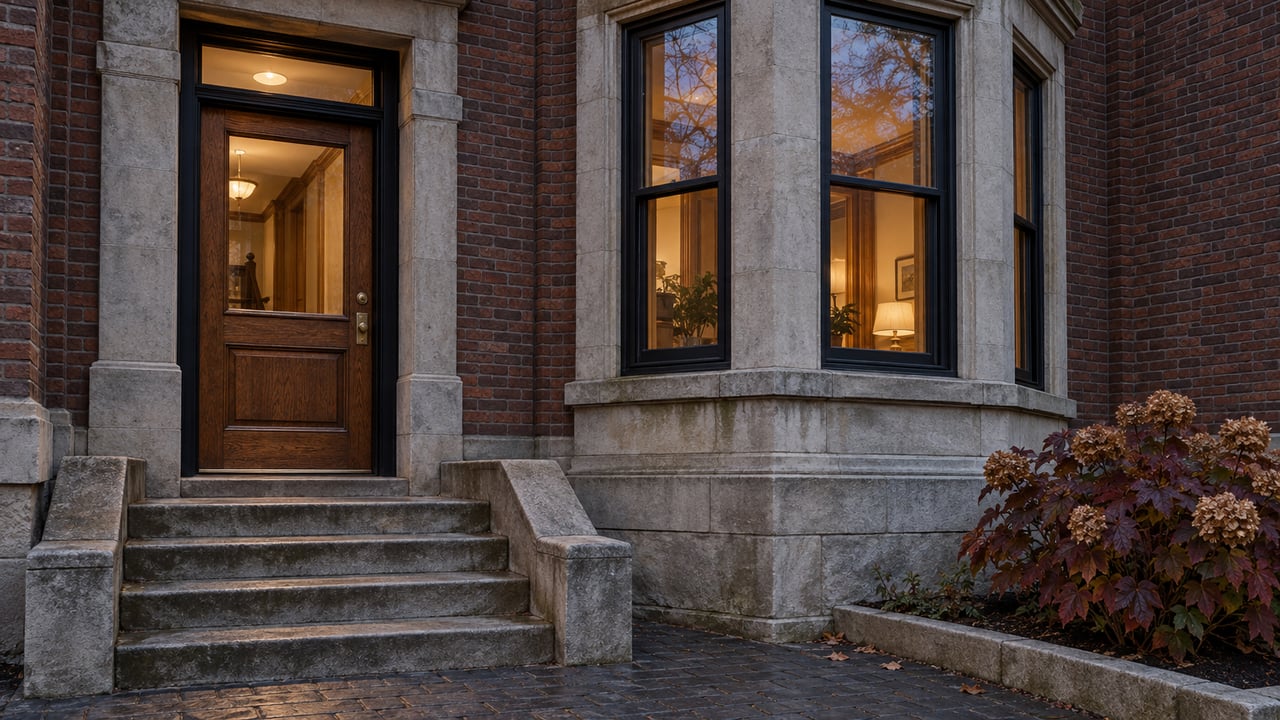
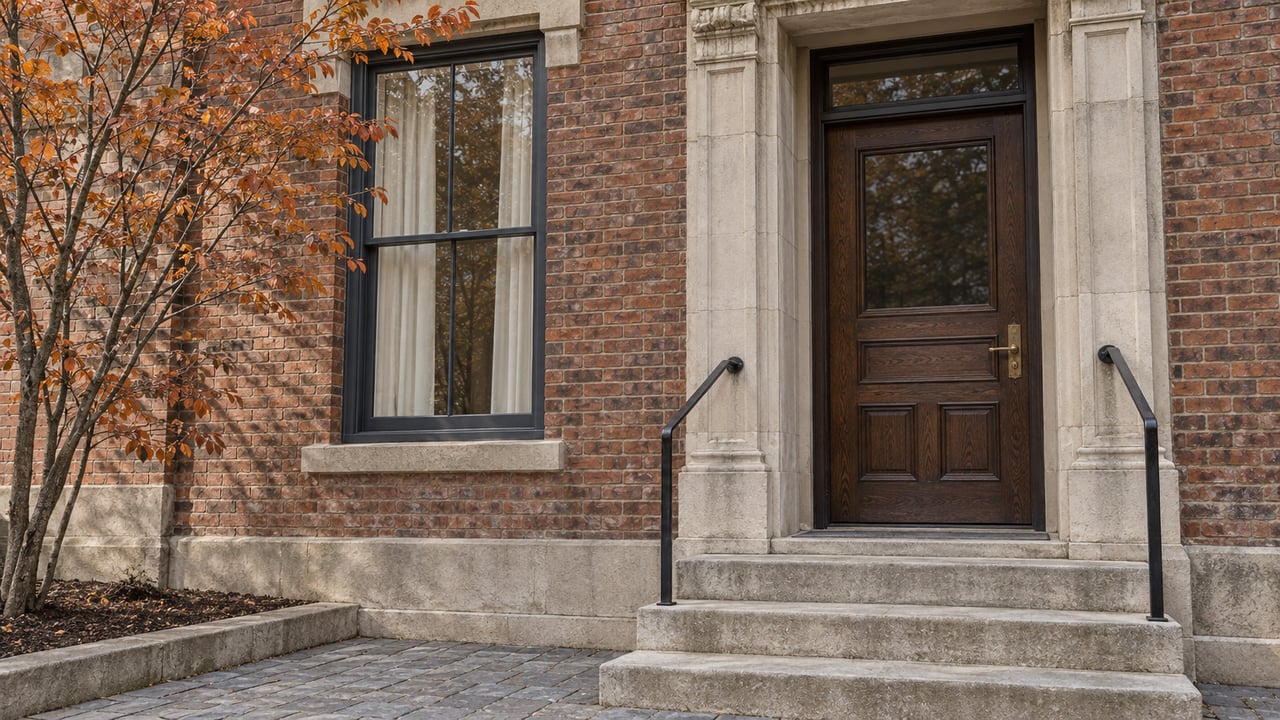
Lincoln Park includes landmark districts such as Armitage-Halsted and Mid-North, where the City of Chicago reviews certain exterior work. That review can shape plans for windows, porches, and facades.
Renovation Questions
- District status: Ask whether a home sits inside a landmark district, and request any records tied to past exterior work.
- Permit review: Learn how the city’s landmark permit review works before planning exterior changes, since timelines can affect your schedule.
- Contractor experience: Choose professionals familiar with historic homes, and ask for references from similar projects.
Early questions protect your budget and timeline from late surprises. Inspectors can flag older systems that need attention, which helps you plan repairs.
Cook County Taxes, Exemptions, and Attorney Review
Property taxes in Chicago are administered through Cook County offices, and the county publishes information on homeowner exemptions. Purchase contracts in the Chicago area commonly include an attorney review period.
Tax and Contract Items
- Tax bills: Review recent bills to estimate ongoing costs, and ask how the figures may change over time.
- Exemptions: Ask how to apply for homeowner exemptions after closing, and note any deadlines published by the county.
- Attorney review: Hire a real estate attorney early so deadlines stay on track and questions get answered quickly.
Taxes and legal steps shape the total cost of ownership over many years. A local attorney can explain the details of your contract and the review period.
FAQs
What are the best first-time homebuyer tips Lincoln Park newcomers should follow?
Get pre-approved, review down payment programs, and test your commute before making an offer. Work with a local agent who knows the blocks, buildings, and local rules. Ask questions early and keep notes from every tour so comparisons stay simple.
How much should I save for closing costs?
Costs at closing vary by loan and property, so ask your lender for an estimate. Programs such as IHDA’s Access Home may help with part of the expense.
Do I need an attorney in Chicago?
Many Chicago-area transactions involve a real estate attorney who reviews the contract. Ask your agent and lender how the process works for your purchase.
Contact Us at The Lowe Group
The Lowe Group guides first-time purchasers through every step of a Lincoln Park purchase. Contact us today at
The Lowe Group to schedule a friendly planning conversation.