Logan Square's Boulevard Landmark District Just Got Bigger. Here's What The Rules Actually Restrict
September 17, 2026
September 17, 2026
"We have tried with six different council members over 20-plus years and it has gone nowhere, so we are gratified by her leadership but also gratified to find broad-based support for the district from homeowners."
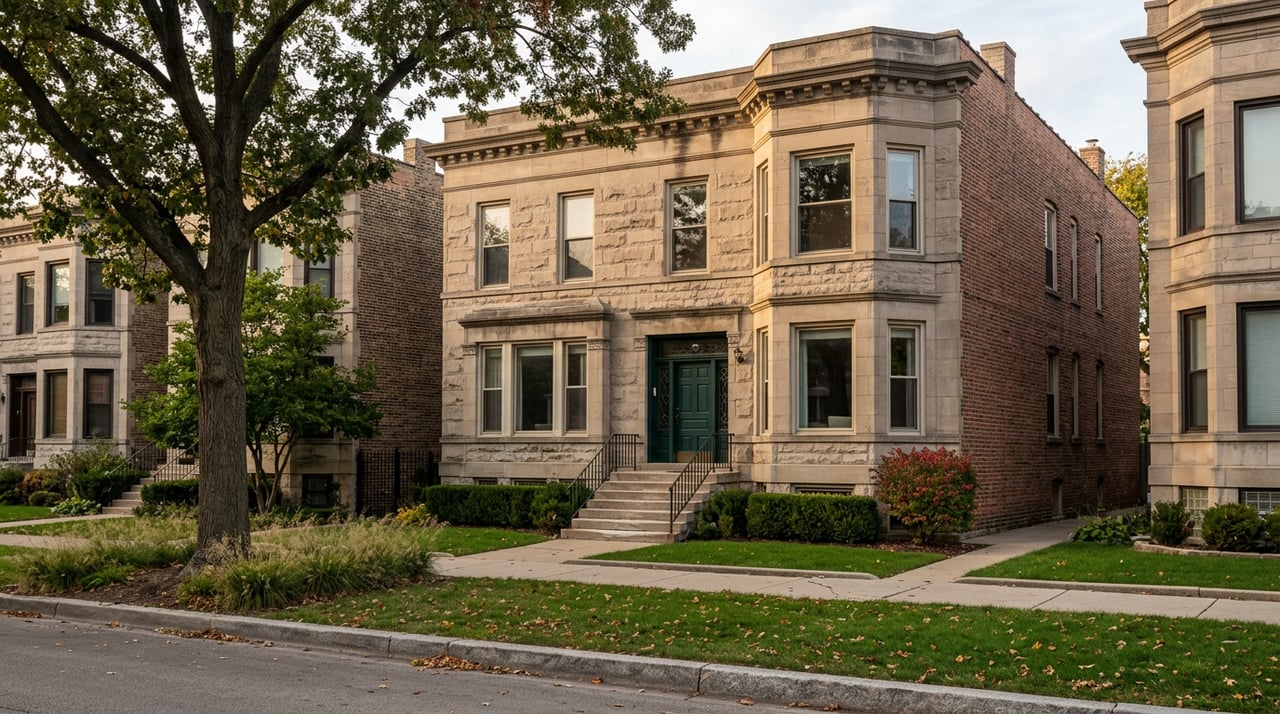
That's Andy Schneider, president of Logan Square Preservation, describing what it took to get a stretch of Humboldt Boulevard added to the Logan Square Boulevards Landmark District. The City Council approved the extension on February 18, 2026, closing a fight that started in 2004. If you're weighing a purchase anywhere along Logan Square's boulevard system, that timeline matters less than what the vote actually does once it's in place. Most buyers assume a landmark label means slower renovations, tighter resale, and a board somewhere with veto power over their kitchen. The record on this district says something narrower, and it's worth understanding before you write an offer on a boulevard-facing home.
The Logan Square Boulevards District became a Chicago Landmark in 2005, covering Logan Boulevard, Kedzie Boulevard, and the residential streets radiating from Logan Square and Palmer Square. Neighbors along Humboldt Boulevard wanted in from the start, but the push stalled under a series of aldermen until Jessie Fuentes, alderman of the 26th Ward, picked it up in 2024. Getting there required a formal city survey of the corridor and direct consent from homeowners along the boulevard, a process that ran more than a year and a half before the Commission on Chicago Landmarks recommended it in November and the full Council signed off in February.
The result covers roughly 65 buildings along Humboldt Boulevard, running from Cortland Street north to the edge of the park, plus a smaller, separate segment of about 30 buildings along Sacramento Boulevard. Most of these homes went up between the 1880s and the late 1920s. The district now includes the former home of Jens Jensen, the landscape architect who designed Columbus Park and reworked Garfield, Douglas, and Humboldt Parks, at 1141 N. Sacramento Blvd. Other buildings along the corridor carry designs by architects Carl M. Almquist, George Dubin, and Fritz Lang.
The geography here technically sits inside Humboldt Park's community boundary, not Logan Square's. But it's the same Chicago Landmark District, governed by the same Commission, under the same designation ordinance that already covers the boulevard-facing homes closer to Logan Square proper. If you're evaluating a property on Logan Boulevard or Kedzie Boulevard, this extension is a live test case for exactly the rules that already apply to you.
Here's the part that trips up most buyers: landmark status in a Chicago district does not mean a separate approval process layered on top of the normal one. According to the city's own Landmarks Q&A, no additional city permits are required for landmark buildings. The Commission on Chicago Landmarks simply reviews permit applications as part of the standard Department of Buildings process, and it reviews more than 1,800 of them a year citywide.
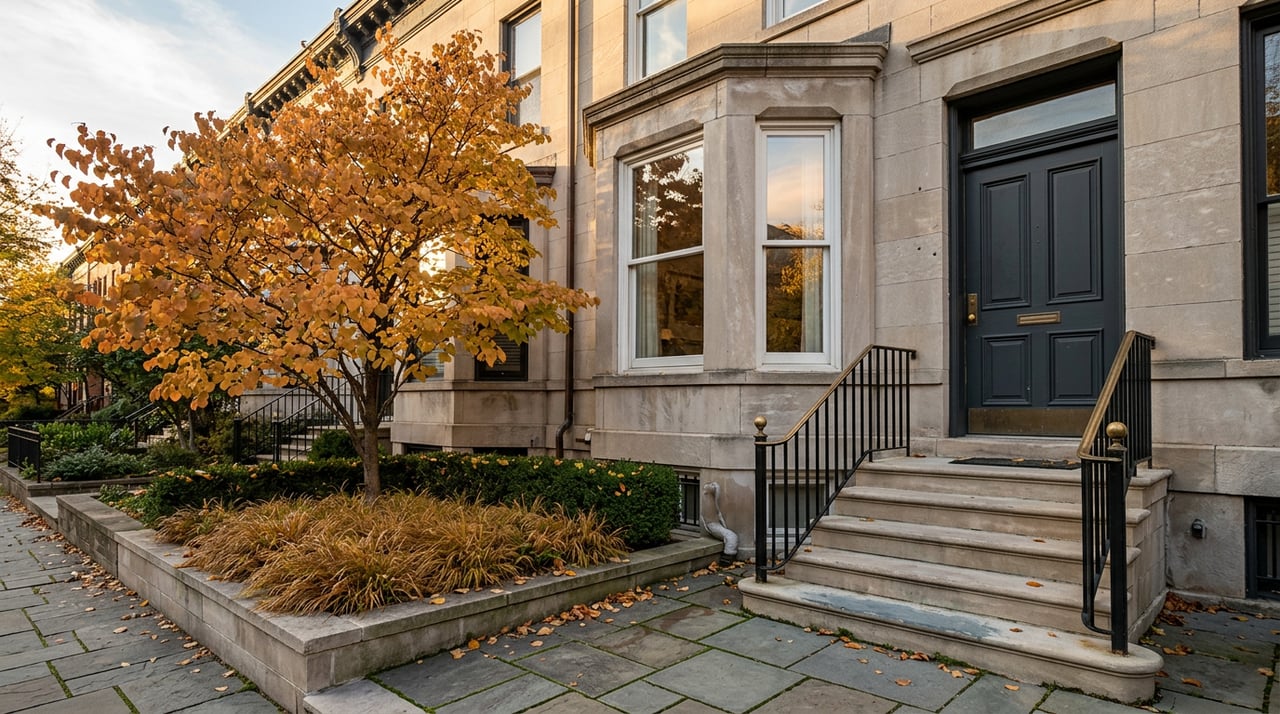
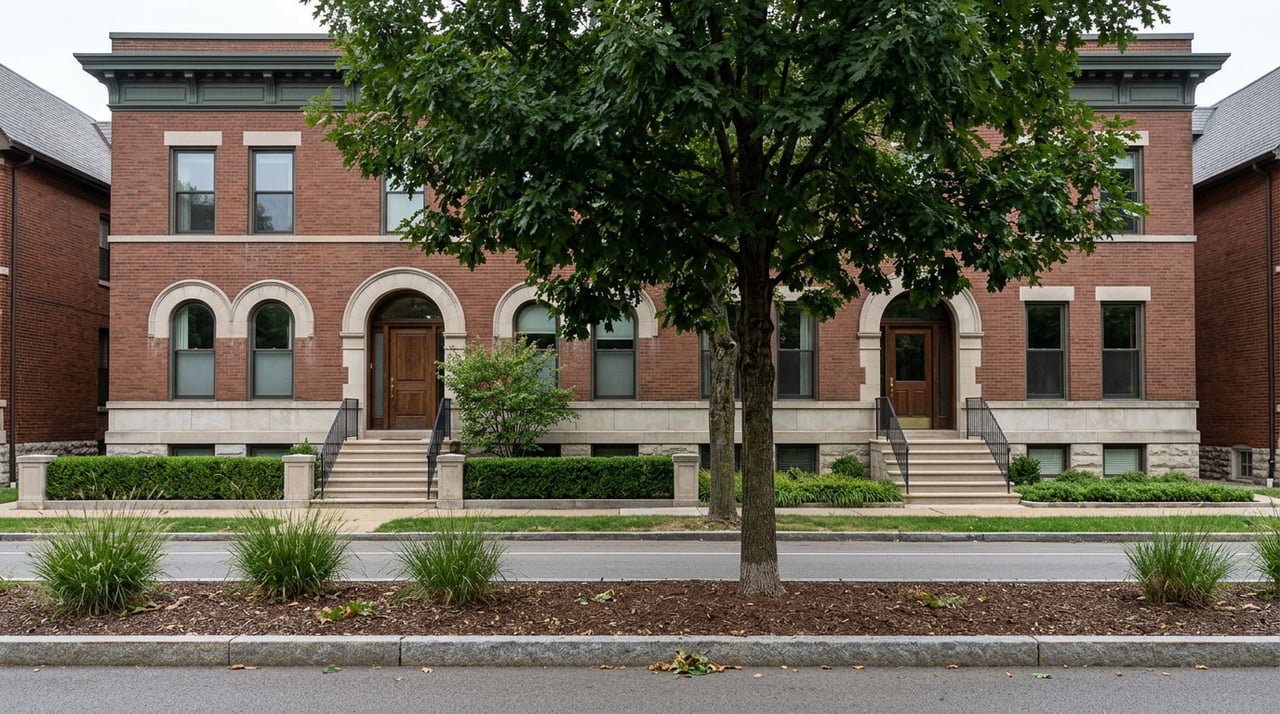
What the Commission actually looks at is narrower than the reputation suggests. For a landmark district, the significant features are typically the exterior building elevations visible from the public right of way, the facade facing the boulevard, the roofline, the front-facing windows. Logan Square Preservation's own history of the district states it plainly: owners can alter the sides and rear of their buildings, as well as the interiors, without triggering landmark review. A boulevard-facing greystone can get a fully rebuilt kitchen, a rear addition, or a gut renovation of every room behind the front wall, and none of it touches the Commission's jurisdiction. What does trigger review is anything visible from the street: replacement windows, a new porch, tuckpointing on the front facade, or any addition that changes the building's public face.
There's one more distinction worth knowing before you tour a specific address. Within any Chicago landmark district, individual buildings are classified as either contributing or non-contributing to the district's historic character. Contributing buildings face the fuller version of this review. Non-contributing buildings, often later infill or heavily altered structures, face a lighter standard. That classification is set at the time of designation and is worth confirming for any specific property before you assume how much latitude you'll have.
If you're planning exterior work on a boulevard-facing home, the honest answer is that most of it moves faster than people expect. Routine items, the kind most owners actually deal with such as window repairs, tuckpointing, or a straightforward porch rebuild, are the kind of work Historic Preservation Division staff can typically clear on their own, without a public meeting. It's the larger category of work, new infill construction, additions, or demolitions, that the city routes to a public hearing before the full Commission, and that step is what actually stretches a calendar.
For a buyer, the practical takeaway isn't that landmark status is a bureaucratic maze. It's that the scope of your planned work determines the timeline, not the label on the district. A cosmetic refresh behind the front wall of a Kedzie Boulevard greystone moves at the same pace it would anywhere else in the city. A new addition visible from the boulevard is where you build in time.
The other assumption worth testing is whether landmark status suppresses value or scares off buyers. The available evidence points the other way. Preservation studies cited by the 26th Ward's own materials on this extension state that landmark designation generally does not negatively affect property values and can enhance them, and that many buyers treat the designation as a selling point rather than a liability, one that often gets highlighted directly in listings.
That tracks with what's happening in the broader Logan Square market right now. In the three months ending May 2026, the median sale price for Logan Square homes was $730,000, up 12.3 percent from the same period a year earlier, according to Redfin, with the median home selling in 36 days, down from 45 days the year before. That's not a market where buyers are avoiding historic character. It's one where boulevard frontage, mature streetscape, and the kind of architectural detail this district exists to protect are part of what people are competing for.
If you're comparing a boulevard-facing property to a similar home on an interior side street, a few questions are worth answering before you get attached to either one.
None of this makes a boulevard property harder to own well. It just means the diligence looks a little different than it would on a side street two blocks off Logan Boulevard.
Does this extension change anything for homes already inside the original 2005 district along Logan and Kedzie Boulevards? No. The 2005 designation and its review standards for those streets are unchanged. What the February 2026 vote does is apply the same framework to a new stretch of Humboldt Boulevard and a separate segment of Sacramento Boulevard.
What does "non-contributing" actually mean for a buyer? It means the building was identified, at the time of designation, as falling outside the architectural period or character the district protects, often because it's later infill or has been substantially altered. Non-contributing buildings face a lighter review standard than contributing ones, though owners should still confirm status directly with the Historic Preservation Division rather than assume.
Can I still add square footage or fully renovate the interior of a landmarked boulevard home? Generally yes. The Commission's review centers on exterior features visible from the public way. Interior work and additions to the sides or rear of a building typically move through the same permit process as any other property in the city, without landmark-specific review.
Buying or selling along Logan Square's boulevard corridor comes with a specific set of questions that a standard listing sheet won't answer. If you're weighing a boulevard address against a side-street alternative, or you already own a contributing property and want a clear read on what a renovation timeline actually looks like, The Lowe Group can walk through the specifics with you block by block. Let's Connect.
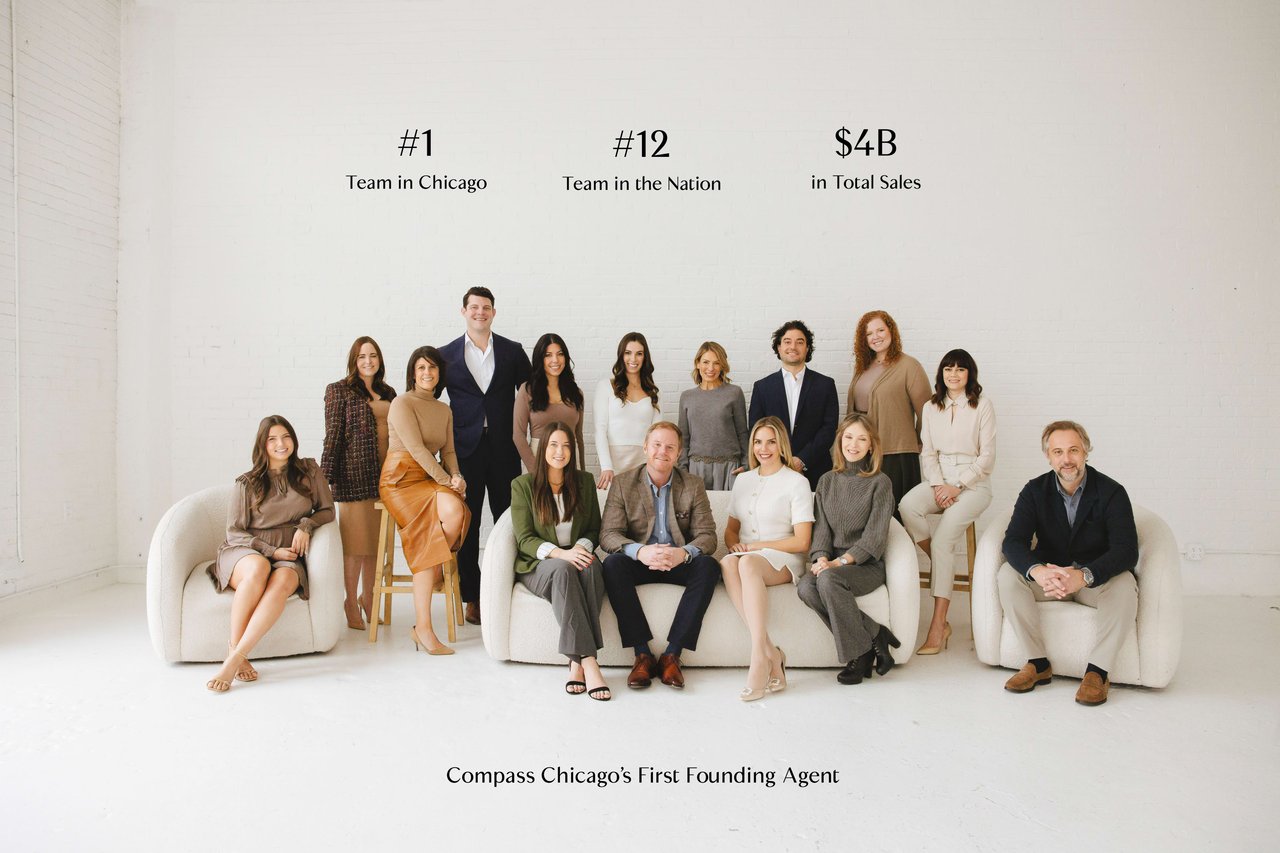
The Lowe Group is a team of #1 Chicago real estate agents with strong broker and community ties. With our deep local knowledge and connections, we ensure that your home is priced right and receives maximum exposure. As seasoned negotiators and marketing experts, we are dedicated to providing a seamless and stress-free experience.
Stay up to date on the latest real estate trends.


Vast Green Space, the Free Zoo, and Culture in Lincoln Park.
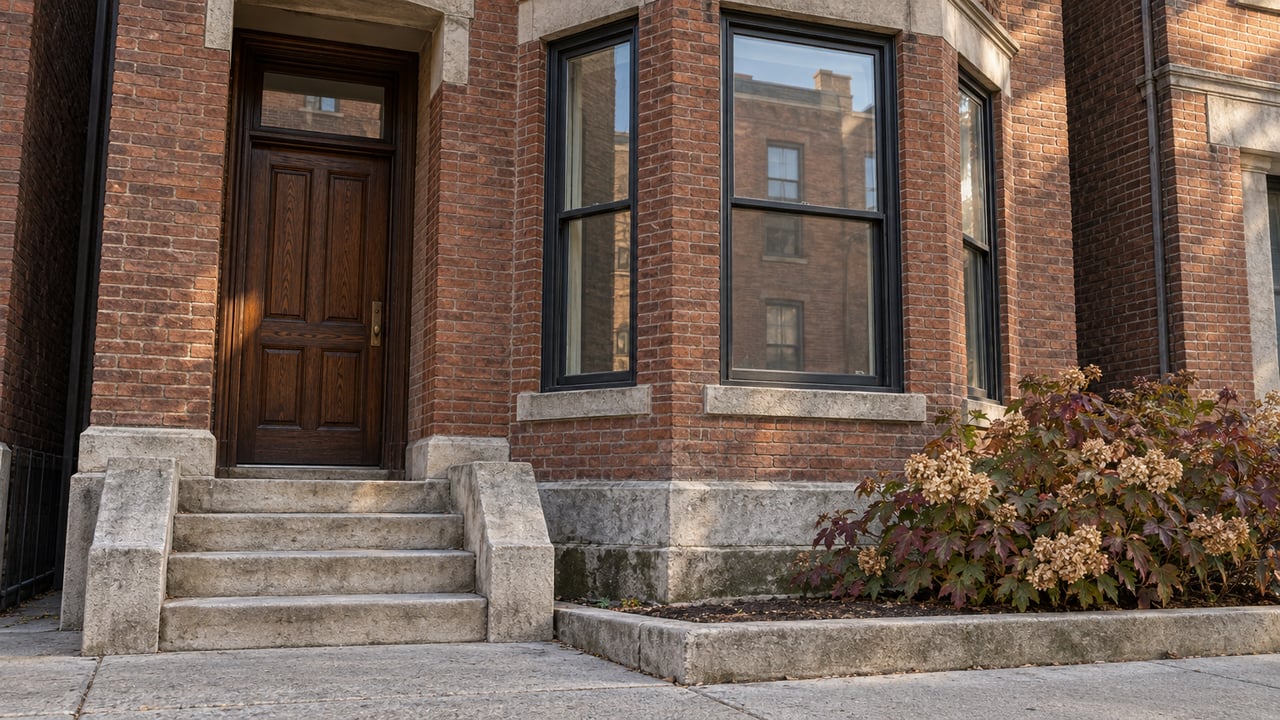
Greystones, Gaslit Streets, and the Search for Historic Homes.
We are not just here to help sell or buy your home; we are here to be a valuable resource for all your home needs and questions. Passionate about real estate, we find joy in the industry's dynamic nature and the opportunity it presents to connect people with their dream homes. Our success is built on our local expertise and market knowledge.