Bucktown and the 606: What the Median Price Hides About Trail-Adjacent Blocks
August 6, 2026
August 6, 2026
The median Bucktown sale price in March 2026 was $698,000, down 3.0% year over year, with homes moving in 34 days according to Redfin's neighborhood tracker. Read that number on a portal and Bucktown looks like a single market softening at the edges. Walk the 606 from Ashland to Kimball and it becomes obvious that number is an average of at least two different economies stacked on the same 2.7-mile trail.
That gap between the neighborhood median and what a buyer actually encounters block by block is the entire point of hiring someone who reads this market for a living. The story worth telling in mid-2026 is not what Bucktown costs. It is why identical-looking greystones on either side of Western Avenue behave nothing alike, and why the eastern half of the trail is the piece to watch as public dollars start moving again.
A study from DePaul University's Institute for Housing Studies broke the 606's price impact into halves and produced the finding that reframes every conversation about trail proximity: the western portion of the trail saw a 48.2% increase in home prices after the trail opened, while the eastern portion increased 13.8%.
That is not a rounding difference. It is the difference between a block that captured most of its 606 premium a decade ago and a block that is still absorbing it. When the trail opened in 2015, the east end of the 606 was already inside a hot Wicker Park/Bucktown resale market. Trail access added something on top of an already expensive base. The west end started from lower prices, and the trail did more of the pricing work. Percentage gains ran away from the east.
For a buyer today, that history matters more than the current listing photo. The east-end premium is priced in. The west-end premium is priced in. What is not priced in is what happens next.
Every Bucktown buyer walks in with the same mental map. Damen and Milwaukee are the expensive corner. Anything east of Western is prestige. Anything west of Western is upside. The trail runs through both, so the closer to Damen, the more you pay.
That map is not wrong. It is just already reflected in every asking price on the market. The Grilli Murphy 2026 Bucktown guide puts single-family homes at roughly $900,000 to $1.2 million with luxury builds routinely above $1.5 million, and condos and townhomes between $450,000 and $700,000. Inventory sits under two months and market time runs 30 to 45 days. Those numbers describe a competitive but rational market where sellers and buyers largely agree on the trail-proximity math.
What the map does not tell you is which of those blocks has a repricing catalyst attached to it. In 2026, one half of the trail does. The other half does not.
The 606 currently dead-ends at Walsh Park near Marshfield Avenue. Trail users spill out into the Cortland and Ashland intersection and walk through car traffic to reach Elston. That eastern terminus has been the trail's weakest link since it opened, and it caps the value of every block between Damen and the river.
Two things are finally moving.
First, the city's long-planned eastern extension under the Kennedy Expressway to Elston was pushed back a year, with completion now expected by late 2027 and construction not starting until the end of 2026, according to Block Club Chicago's January 2025 reporting. That delay is a fact of life for anyone underwriting a purchase near the east end this year.
Second, and more consequential, the Foundry Park development is putting real dollars behind a river crossing. Axios Chicago reported on July 28, 2026 that Foundry Park is a proposed $3 billion, 31-acre mixed-use project on the former A. Finkl & Sons Steel site, developed by JDL Development and Kayne Anderson Real Estate, with more than 3,700 homes planned. Block Club Chicago reported in June 2026 that the project is in line for roughly $200 million in public funding, including about $71 million in tax increment financing for roads plus additional funds toward parks and a potential 606 extension across the Chicago River.
The extension is a major step toward creating a car-free route between the West Side and Lincoln Park, per Axios's summary of what the Foundry Park subsidies would unlock.
Put those two threads together and the east end of the 606, historically the premium half that appreciated least, is the half with the next catalyst. Not in 2026. Probably not fully in 2027. But close enough that it belongs in a purchase decision made this year.
The listing description will tell you a home is "steps from the 606." That phrase costs the seller nothing to write and tells you almost nothing about what you are buying. A better mental model:
| Zone | What you tend to see | What the 606 adds today |
|---|---|---|
| East of Ashland, near Cortland | New construction SFH, duplex-downs, some vintage 2-flats | Full trail-adjacent premium plus optionality on the extension |
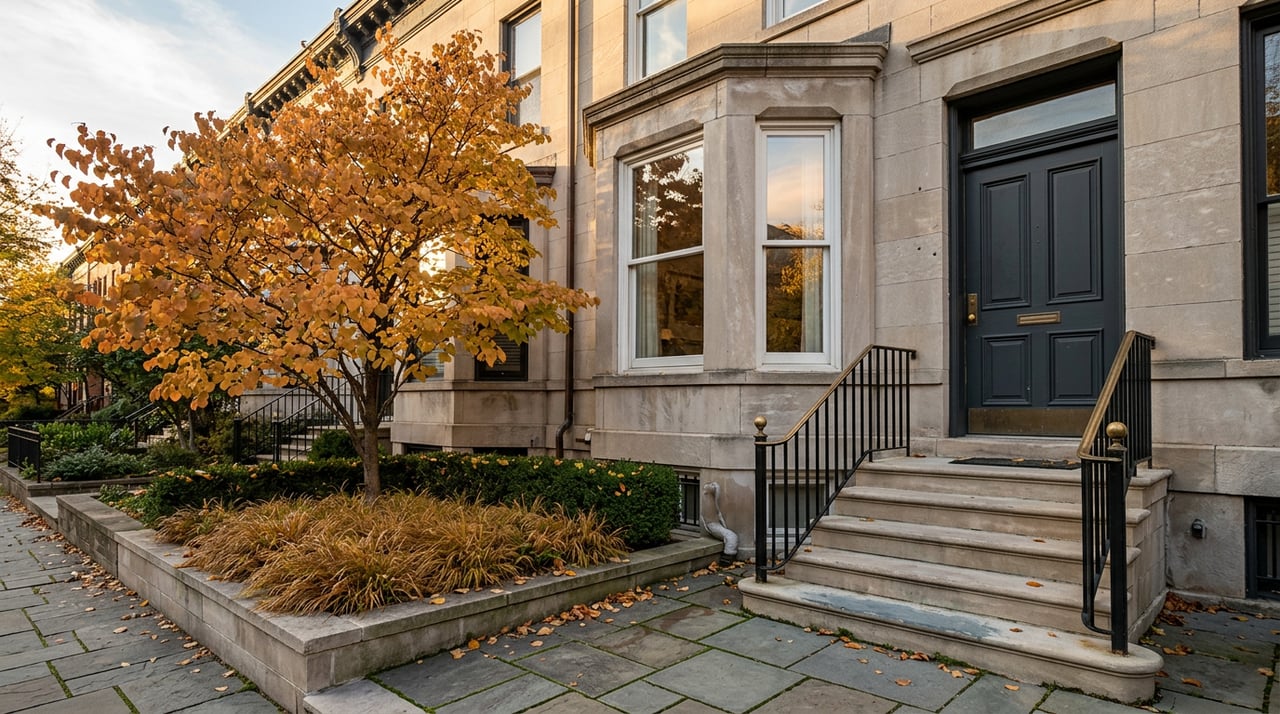
| Damen/Milwaukee/North triangle | Renovated greystones, workers' cottages, boutique condos | Peak walkability premium; 606 is one of several amenities baked in |
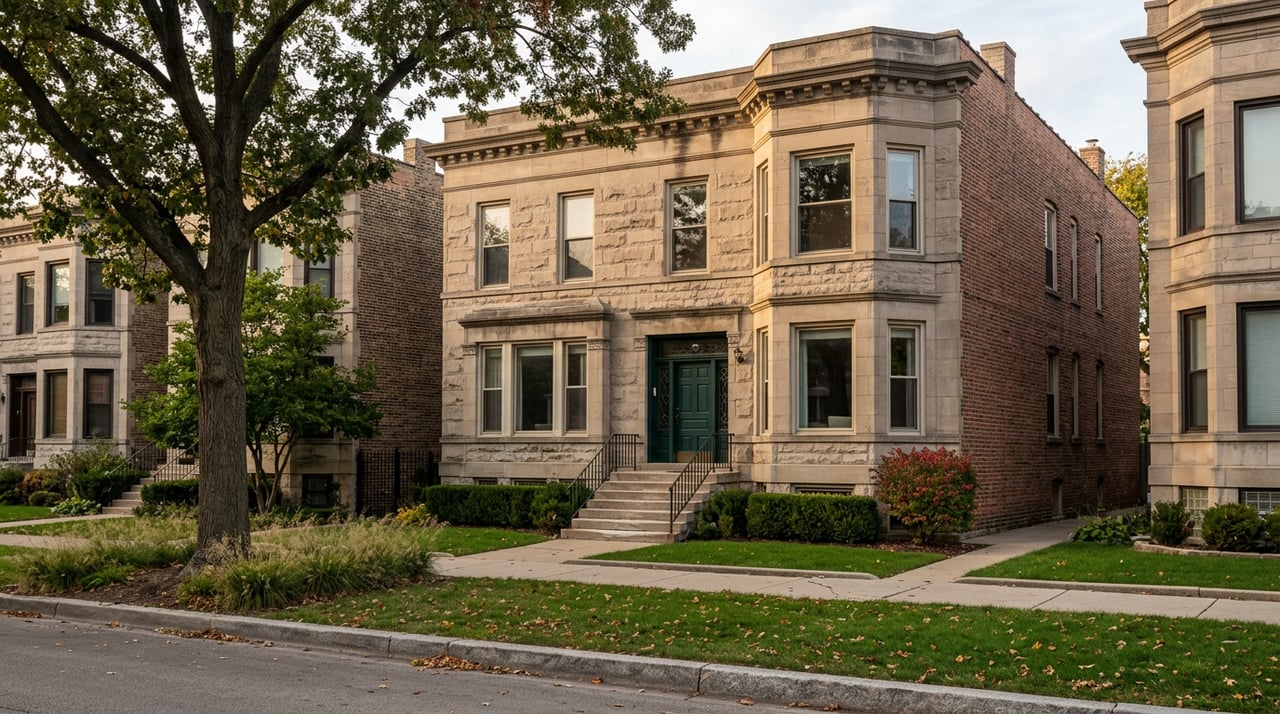
| Western to Kedzie corridor | Frame homes, brick cottages, multi-unit buildings, newer infill | Trail is the primary amenity story; premium already largely captured per DePaul IHS |
| Blocks near Holstein Park and Ehrler Park | Family-oriented SFH, wider lots on streets like Hoyne | Park network layers on top of trail access |
The Bucktown resale inventory in mid-2026 reflects this. New-construction duplex-downs delivering in September 2026 sit within a short walk of the Damen Blue Line, Le Bouchon, and Club Lucky. A four-bedroom brick home on Hoyne trades on lot width and interior finish, not on trail-adjacency alone. The same $900,000 dollar buys materially different products depending on which of those zones you are in.
A few pieces of transaction reality that get lost when buyers only look at aggregate numbers:
Is the 606 extension actually going to happen? The eastern extension to Elston Avenue has funding gaps and a late-2027 completion target per Block Club Chicago. The river crossing beyond Elston depends on Foundry Park's redevelopment agreement clearing the full City Council, which as of the June 2026 committee vote had not yet occurred.
Does the west end of the trail still have room to appreciate? The DePaul IHS figures cover the period since the trail opened in 2015. Percentage gains that large rarely repeat off a higher base. A buyer today is underwriting the neighborhood's next chapter, not repeating the last one, which is why product quality and block-level specifics matter more than trail proximity by itself.
Should I buy east or west of Western Avenue? That is a portfolio question, not a trail question. East gets you closer to the Foundry Park catalyst and a denser dining and transit grid. West gets you more square footage per dollar and a market where the trail is still the primary amenity story. The right answer depends on hold period and what you want the home to do for you.
How is the broader Chicago market shaping the Bucktown read? Chicago metro's three-month median through May 2026 was $420,000, up 6.3% year over year per Redfin. Bucktown's slight year-over-year softness at the median sits inside a citywide market that is firmer than it was, which is the pattern to expect in a neighborhood that already ran hard.
Bucktown rewards buyers who read the block instead of the neighborhood. If you are weighing a purchase near the 606, or deciding whether to list before the extension timeline shifts again, The Lowe Group can walk you through the specific block-level history and inventory that a portal median will never show. Let's connect.
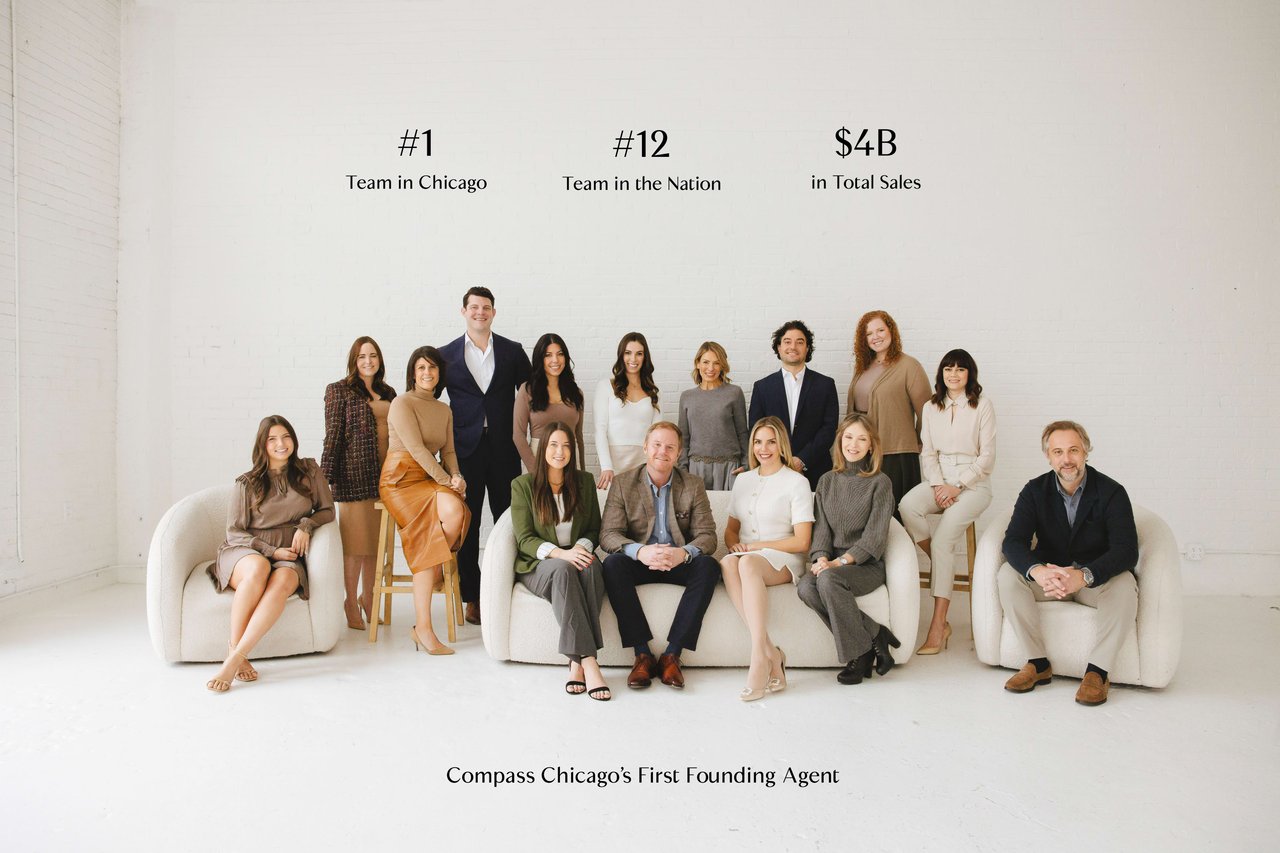
The Lowe Group is a team of #1 Chicago real estate agents with strong broker and community ties. With our deep local knowledge and connections, we ensure that your home is priced right and receives maximum exposure. As seasoned negotiators and marketing experts, we are dedicated to providing a seamless and stress-free experience.
Stay up to date on the latest real estate trends.
A Local's Guide to Experiencing the Arts in Lincoln Park.
The Essential Home-Buying Checklist for First-Time Home Buyers in Lincoln Park.


Vast Green Space, the Free Zoo, and Culture in Lincoln Park.
We are not just here to help sell or buy your home; we are here to be a valuable resource for all your home needs and questions. Passionate about real estate, we find joy in the industry's dynamic nature and the opportunity it presents to connect people with their dream homes. Our success is built on our local expertise and market knowledge.